Flight School for Beginners: The First Week of Flight School
The first week of flight school can be exciting for aspiring pilots who are ready to take the first step towards their future career in aviation. But, before students can take to the skies, they need ground school training that introduces them to the basics of flying an aircraft.
Flight school begins differently depending on which type of program a student takes part in. Part 141 programs follow an FAA-structured curriculum, while Part 61 offers a more flexible option for those who have responsibilities like work and family outside of training.
What to Expect
The beginning of flight school includes orientation and the start of ground school training, which introduces students to the fundamentals of operating an aircraft, pre-flight checks, and even basic airport procedures. Depending on the program, the first week may also consist of a discovery flight, in which students have the ability to take control of an aircraft for the first time. This is done under supervision of a certified flight instructor, who will aid in ensuring the safety of the flight from takeoff to landing.
Orientation and Paperwork
Before beginning flight training, aspiring pilots must apply to flight school, set up scheduling and other administrative tasks, and get introduced to the curriculum, instructors, and flight school facilities.
Ground School Basics
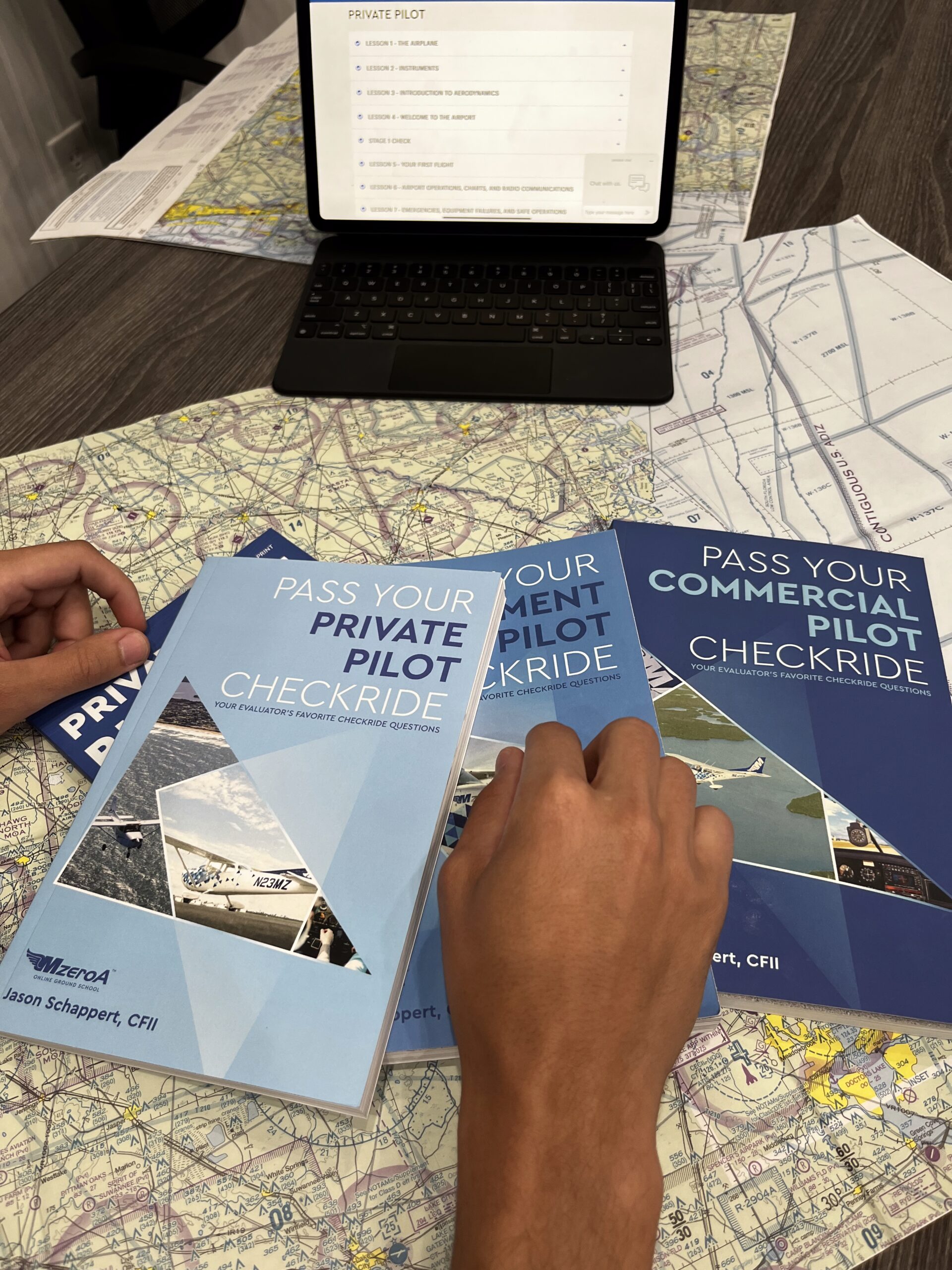
Pilot training begins on the ground. To operate an aircraft safely, students must first learn the fundamentals of operating an aircraft, how to communicate with air traffic controllers, understanding weather conditions, and even how their aircraft works. In addition, students learn how to manage logbooks and checklists that serve as essential reassurances that each flight operates smoothly and safely.
The information taught in ground school prepares students to take the FAA’s required written exam, which allows students to obtain a student pilot certificate. Serving similar to a learner’s permit for a car, the student pilot certificate gives students permission to operate an aircraft under the instruction and supervision of a certified flight instructor (CFI), so they can begin training in the air. Hands-on training is not possible without the knowledge and safety skills taught in ground school.
Meeting Your Certified Flight Instructors
During the first week of flight training, students are introduced to the CFIs who will be guiding them through their lessons each week. Outside of ground school training, CFIs also oversee flight training in the air. The skills and maneuvers taught to students in the flight deck by a CFI guide those students throughout their future pilot career.
Aircraft Familiarization
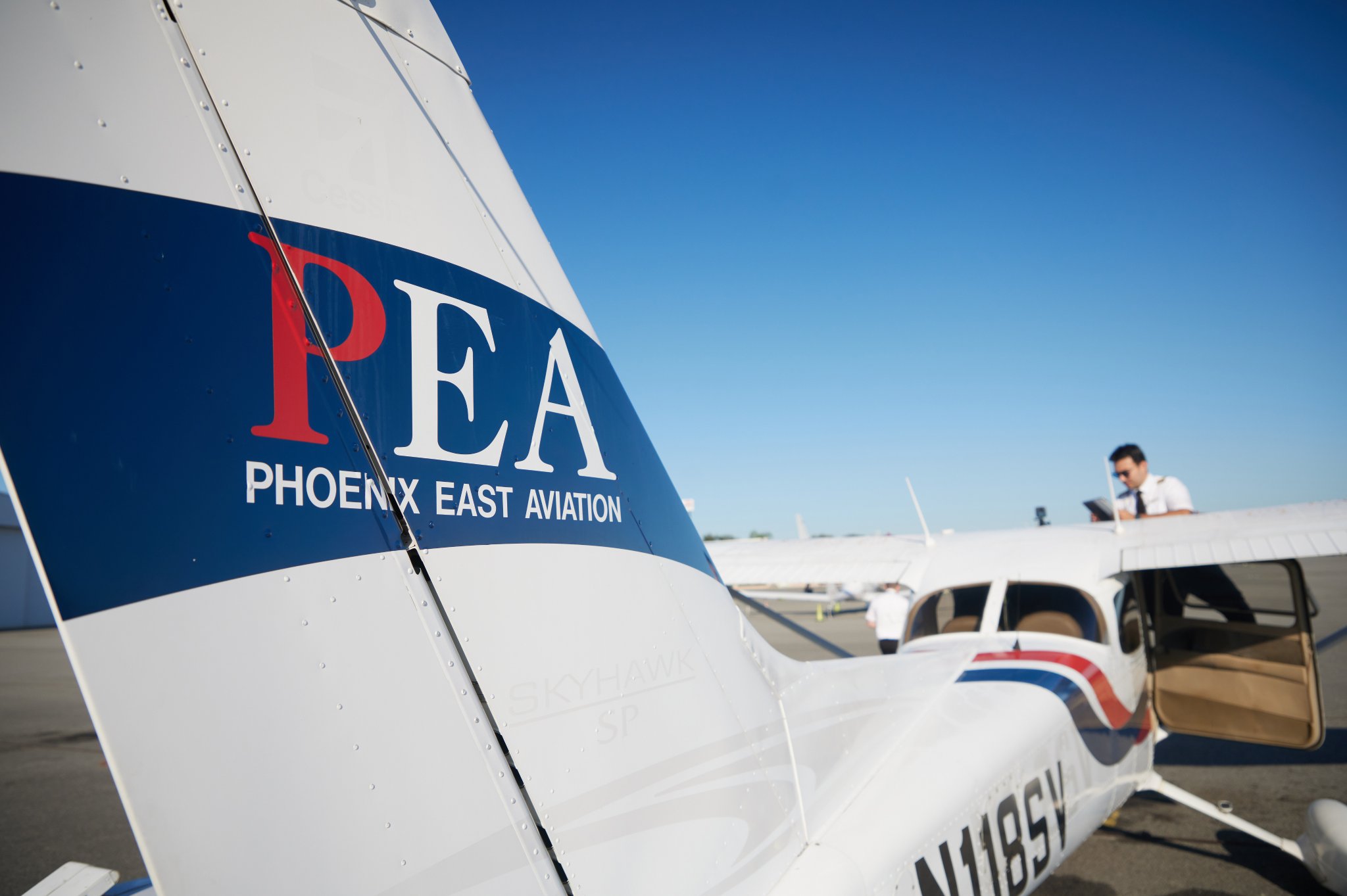
Ground school allows students to familiarize themselves with aircrafts that they will operate throughout their career, before they get in the flight deck. During training, student pilots learn every aspect of the aircraft, including:
- Layout
- Systems
- Controls
- Procedures
With a strong understanding of how an aircraft operates, pilots can navigate emergencies, regular flights, and understand maintenance requirements essential to safe operation.
Your First Flight Lesson
Your first flight lesson operating an aircraft is called a discovery flight. This introduces students to how it feels to fly an aircraft under the instruction and supervision of a CFI. Students are briefed pre-flight on safety and controls and get to conduct their first pre-flight inspection of the aircraft alongside a CFI. During the flight, the CFI guides students through basic maneuvers to get them to feel operating an aircraft for the first time. More critical phases of flight, like takeoff and landing, are handled by the instructor.
Safety Procedures and Risk Awareness
Flight school teaches students to operate aircraft with a safety-first mindset. For this reason, students are introduced to safety procedures and risk awareness during the first week of training. This carries on throughout the length of their training. Post-training, students carry the same safety procedures with them through their career as a pilot after obtaining licenses and ratings.