A Guide to Your First Discovery Flight
Have you thought about becoming a pilot, but wondered if it’s truly the right path to fly down? A discovery flight is one of the best ways to test the waters of aviation before fully committing to a flight school. This initial experience allows aspiring pilots to see their potential future from the left seat, and in some cases have the opportunity to take control of an aircraft for the first time under the watchful eye of a certified flight instructor.
What is a Discovery Flight?
 A discovery flight, often called an introductory flight, is designed for people who want to see what flying a plane is like. It’s a brief instructional flight that offers individuals a hands-on introduction to flying and the experience of being a pilot. It is often the first step taken by people of all backgrounds who think they would enjoy flying regardless of what their end goal is, whether that’s to fly recreationally on weekends or become an airline pilot. Discovery flights are typically 30-60 minutes long, providing just the right amount of time to get a feel for being in the air.
Does a Discovery Flight Count as Flight Time?
Getting a pilot’s license requires a certain amount of flight time. For example, a private pilot license requires 40 hours of flight time. Many people assume that a discovery flight is just for fun and does not count towards this required flight time, which is a common misconception. A discovery flight does count towards the required flight time for earning a pilot’s license and could be the first step in one’s training to become a pilot, should they choose to continue down that path.
Preparing for Flight
Before arriving for a discovery flight, there are several things to do to prepare. Make sure to dress for the occasion. It is wise to wear comfortable clothes, closed-toe shoes, and sunglasses.
Additionally, be sure to take anti-nausea medication if prone to motion sickness, and account for any underlying medical conditions that could be affected while being in air.
It is also important to remember to bring a valid form of identification, such as a driver’s license or passport. Individuals cannot enter airports and fly without proof of identity.
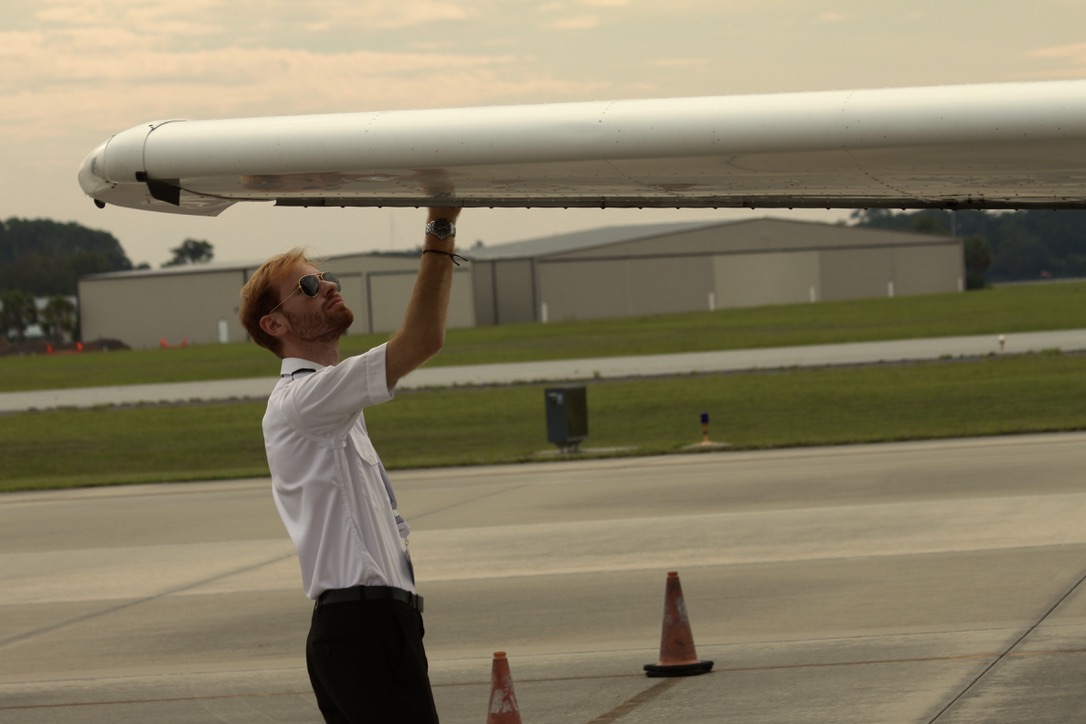
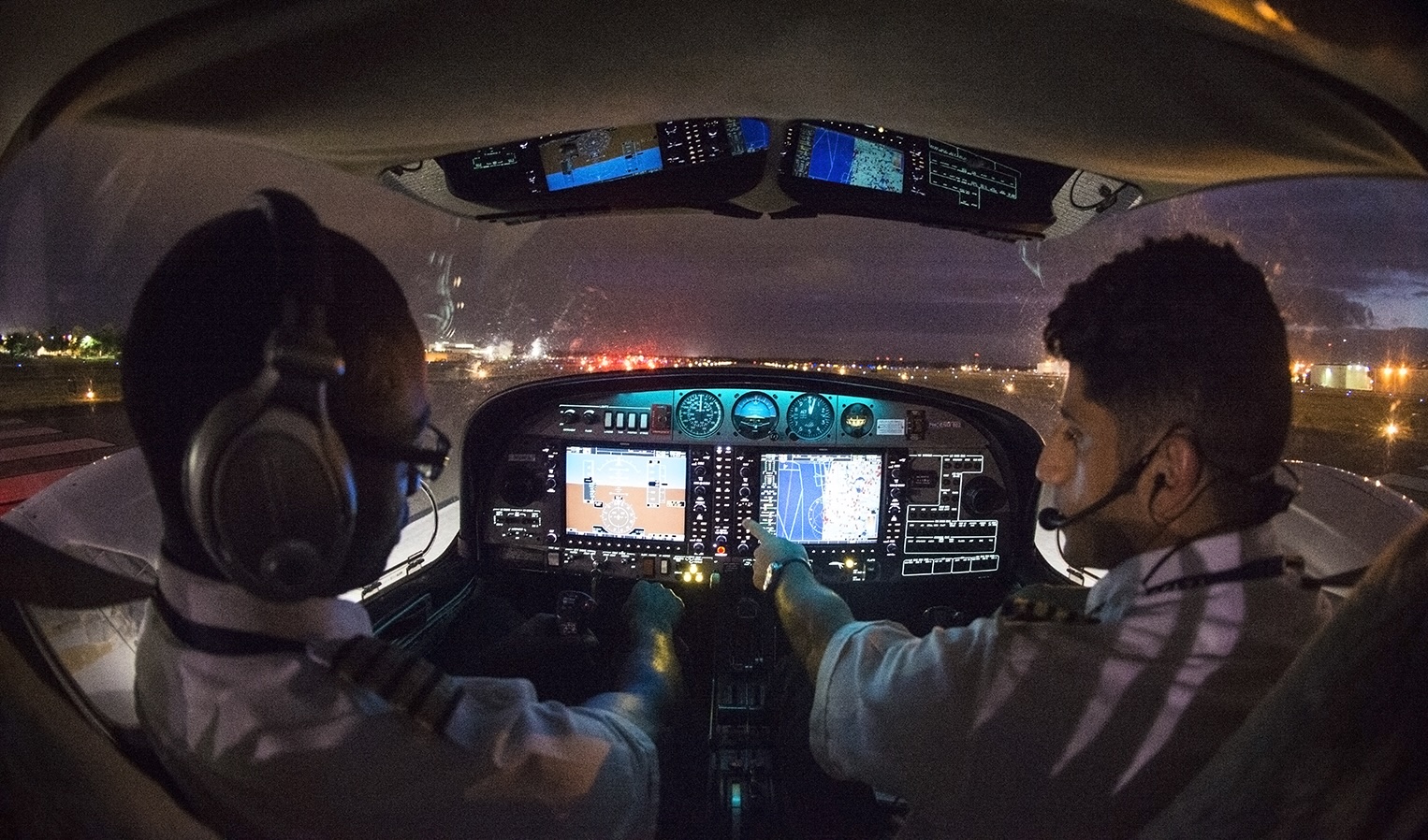
Once an individual arrives, they won’t immediately take to the sky. First, their instructor will conduct a pre-flight briefing, which covers basic flight controls, an overview of the aircraft’s instruments, and standard safety procedures. After the briefing, the instructor will conduct a short inspection of the aircraft, checking the exterior for damage, monitoring fuel levels, and ensuring that everything is in good working order for the flight.
During the Flight and Beyond
Now that all preparations are complete, it is time to take to the skies. The flight instructor will handle takeoff, but will explain the whole process in detail for educational purposes. Once altitude has been reached, the instructor will demonstrate and explain how to perform basic maneuvers, such as turns, climbs, and descents before granting full control to the potential pilot.  Once time runs out, the instructor will take control back for landing, explaining the whole process just as they did for takeoff.
Once the plane has safely landed, the instructor will conduct a post-flight debriefing. They will review everything that happened during the flight and offer feedback on performance. The post-flight briefing also presents the opportunity to ask the instructor any questions regarding flying or further training. With the discovery flight out of the way, individuals can now be one step closer to finding out whether being a pilot is something they hope to achieve.
If you are ready to have your pilot dreams take flight, contact Phoenix East Aviation at info2@pea.com to get in touch with their esteemed Admissions Department which is here to help!