


PEA Newsletter & Blog
Recent Posts
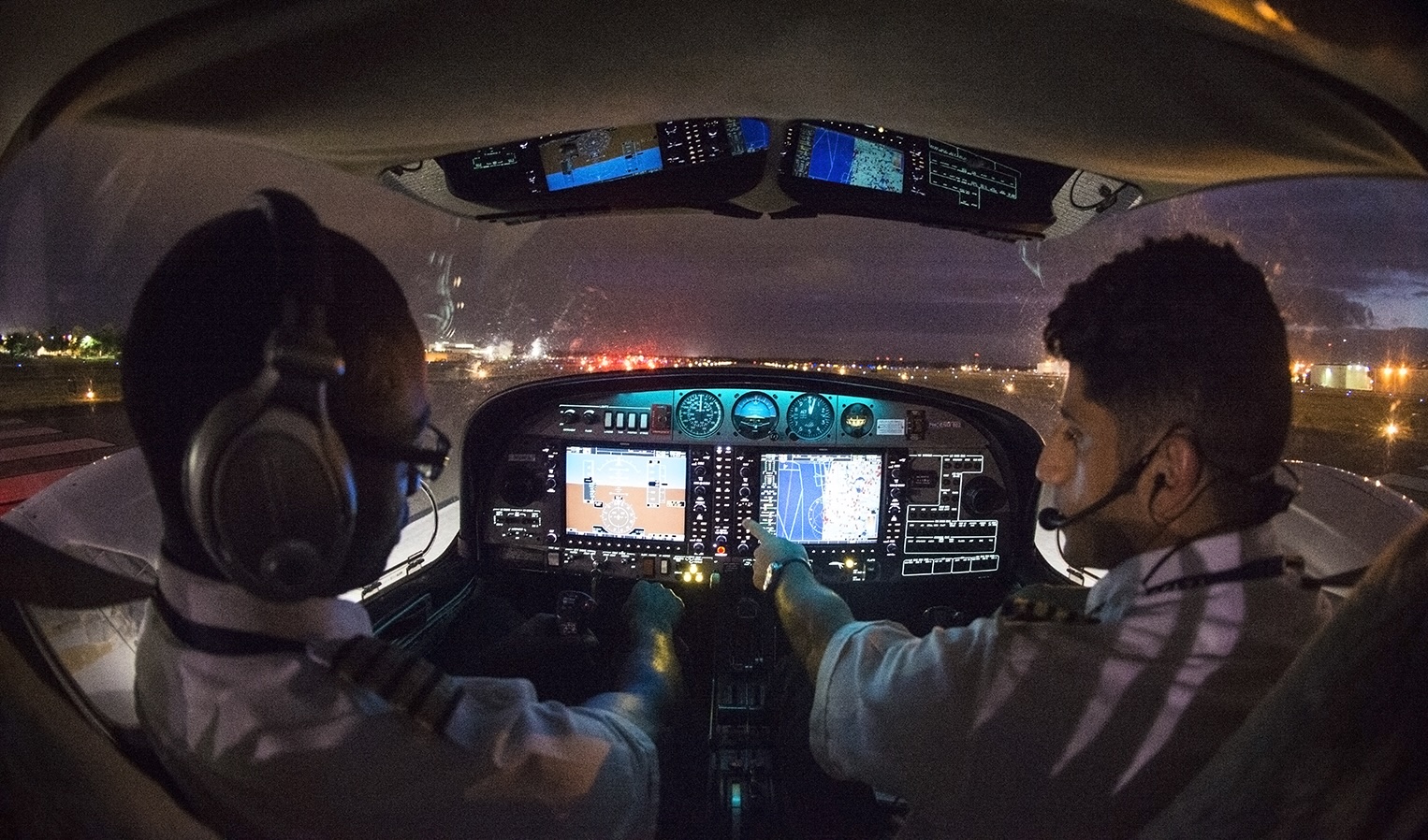
Being able to fly at night is a critical skill for any airline pilot. When you’re flying through a night sky, the airplane may feel familiar, but everything looks different. A loss of outside visual references can be disorienting, and clouds and terrain can be...

Many factors can inform the ‘ideal’ flight school experience. Tuition and program length are natural priorities, as is the fleet, but location should not be treated as secondary. Overlooking where your future flight school is located could mean logging fewer flight hours or facing a...
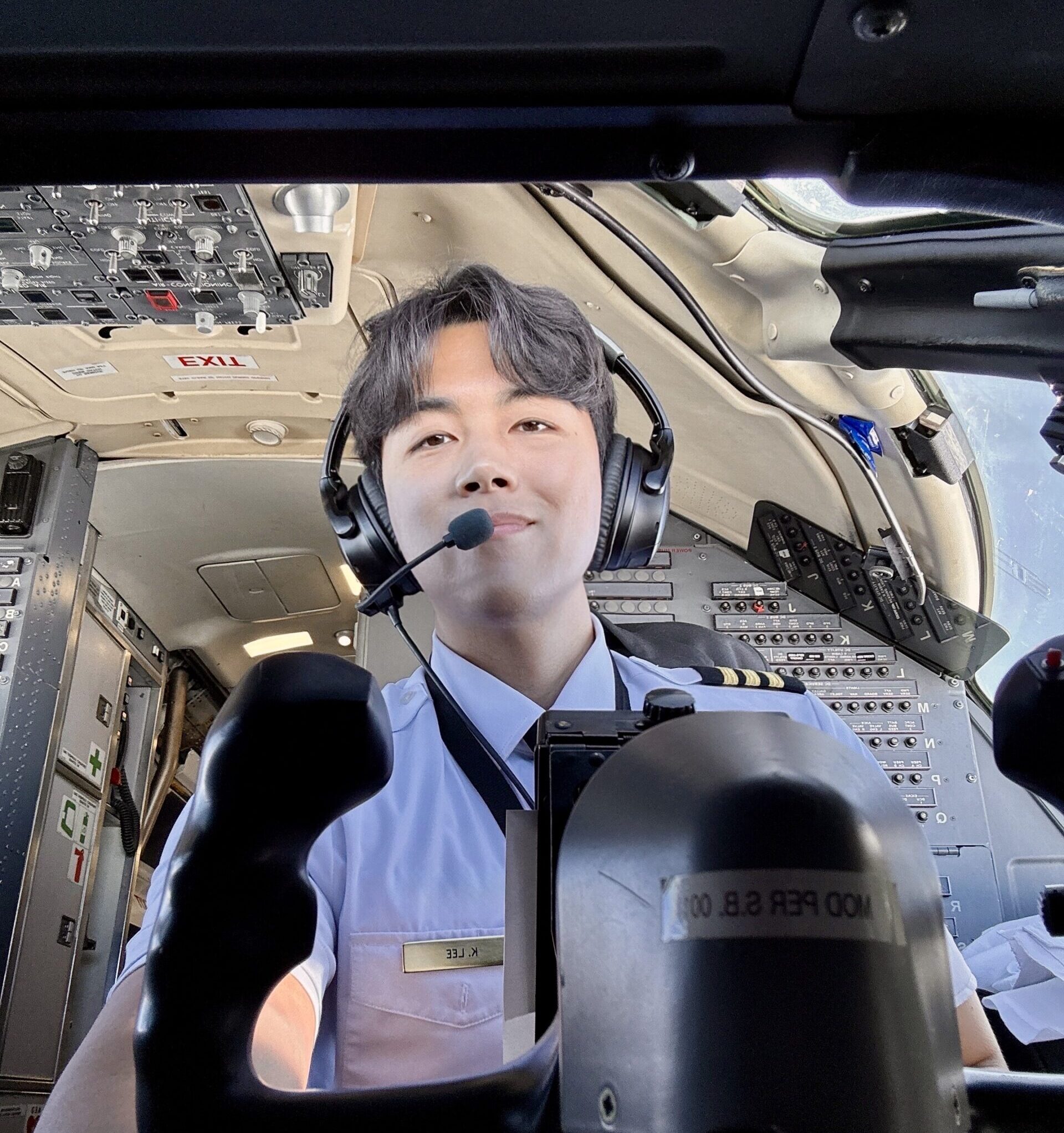
For aspiring airline pilots, 1,500 is a critical number. It refers to the number of flight hours typically needed to earn an unrestricted airline transport pilot (ATP) certificate and can affect your ability to become a Part 121 airline first officer. At the same time,...
Older Posts
Before international students can begin flight training in the United States, they must receive approval from the Transportation Security Administration (TSA). This approval is obtained through the Flight Training Security Program (FTSP), a legal requirement for covered flight training. Understanding the FTSP international pilot requirements...
For many aspiring pilots, cost can feel like the biggest obstacle to starting flight training. The good news is that there are several ways to pay for flight school, and financing can be more flexible than many students expect. Understanding how to finance flight training...
It’s entirely possible for foreign pilots to fly in the United States without starting over with their flight training. Through direct conversion, pilots from other countries can reach the private pilot level, and they can continue gaining professional certificates on top of that through additional...
When it comes to charting your pilot career, you will quickly see that there is a fork in the runway. Most pilots eventually choose between flying for an airline and pursuing a career in corporate aviation. Both pathways begin with the same foundational training, but...
Your aviation journey is a chance to step into a career spanning continents. Of course, you need to find the right flight school and location. With year-round flying weather and a thriving aviation community, a flight school in Daytona Beach, Florida, offers an optimal base...
Weather is one of the most important factors affecting flight safety and is a leading cause of training delays and flight cancellations. Meteorological Aerodrome Reports (METARs) and Terminal Aerodrome Forecasts (TAFs) form the foundation of aviation weather reports, which means it’s crucial that student pilots...