Why People Don’t Fly: Overcoming Barriers to Becoming a Student Pilot
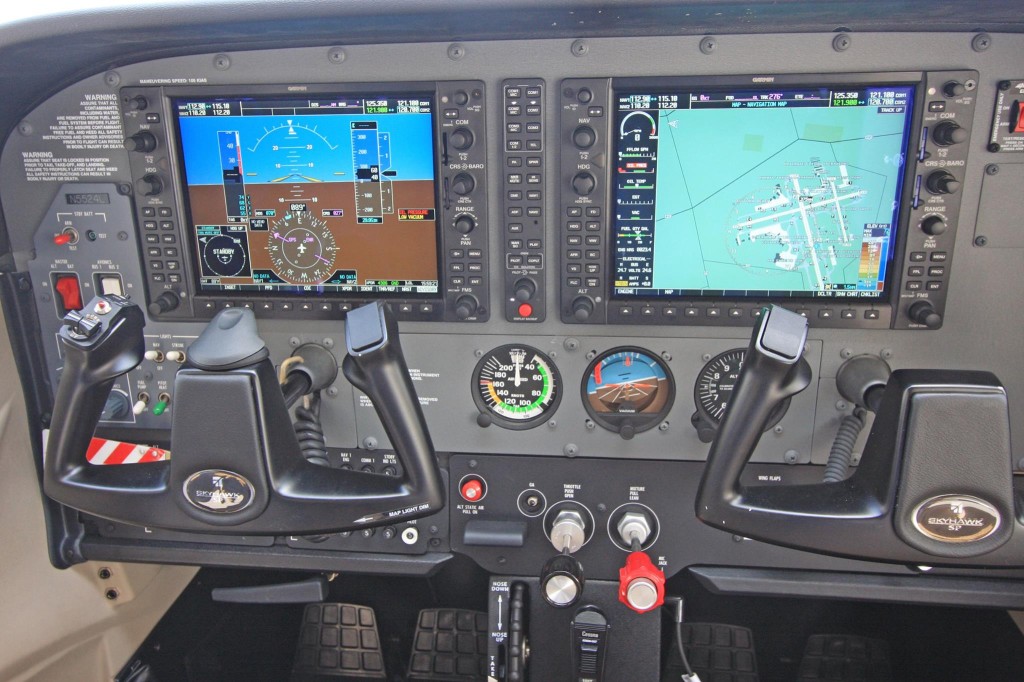
There are a lot of reasons we fly. We fly because it’s fun, because it’s a challenge, because it’s practical and convenient, and because we want to make a career out of it. We fly because it’s exciting. And we can’t imagine why anyone wouldn’t want to fly. But there are a few legitimate reasons that people don’t – or can’t – fly. These barriers may not be as difficult to get past as you’d think. Here are a few of the reasons people give for not following their dream to become a pilot, and what people can do to overcome them.
Money
By far the most popular reason that people don’t fly is lack of money. Flying is expensive, and many become overwhelmed with the idea of spending so much money, or just can’t see how they’ll pay for it all. But there are ways to fund flight training, including scholarships, loans and other various financing programs. Most flight students save as much money as they can prior to beginning, and fund the rest with a combination of financing and scholarships.
Keep in mind that scholarships don’t fall into your lap; you’ll have to go search for them. Along with your local aviation organizations, you’ll want to check out these scholarship resources (Only applies for US Students):
http://www.wai.org
https://www.ninety-nines.org
http://www.youngeagles.org/programs/scholarships/scholarships.asp
http://www.wca-intl.org/scholarships.htm
http://www.leroywhomerjr.org/scholarships/
http://www.nbaa.org/prodev/scholarships/
Time
Many people say that they just don’t have the time to devote to flight training. Flight training can be intensive, but the good news is that it doesn’t last forever. And if flying is your career choice, then it might be time to give up the other things that are taking up all of your time.
Once you’ve made the decision to become a pilot, the easiest way to do it is to enter a fast-track training program like PEA’s. It might seem like too large of a time investment, but in the end, you’ll save time and money by completing your training all at once, surrounded by other aviation enthusiasts and in an environment that supports you all the way through your training.
And once you get a taste of flight, you’ll want to devote all of your time to it.
Fear or Intimidation
Fear of flying keeps many people on the ground. If you’re afraid to fly but still think you might want to try it, there are ways to overcome this barrier. You can overcome fear of flying by learning as much as possible about it while on the ground. Spend some time with an experienced instructor; he or she can tell you what to expect, why it’s safe and how you can remain in control of the situation. Spend some time around small airplanes and other pilots. The more you immerse yourself in it, the easier it will be to see that flying is fun, safe and exciting.
Negative Experience
Often, a prospective pilot will never begin flight training because of a negative experience on a commercial airliner. Or because someone told them they could never fly, or because they had a bad experience as a passenger of a small airplane before. And sometimes, a new student will give up flying because of a negative experience during the first few hours of training. Maybe their instructor didn’t make it a pleasant experience, or bad weather created a bumpy flight, or maybe a rough landing scared them off. Whatever the case, students should know that these experiences are very rare, and not a normal part of flying.
If you’ve had a negative experience, try again. Get a new instructor, fly at a different school, or learn more about the circumstances surrounding the experience to understand what scared you off. And then get back in the airplane. Flying really is fun and exciting!