
Blog

Why Is Pilot Training in the U.S. is Attractive Worldwide?

Thousands of students come to the USA each year from around the world for pilot training. It is significantly less expensive to train in the US for European students, especially if they are career-oriented and wish to develop the skills and earn the certifications to fly for an airline. Some countries do not even have flight schools that offer the certifications that airlines require, such as a Commercial Pilot License and even the more advanced Airline Transport Pilot Certification.

Another reason students find the U.S. attractive for pilot training is the weather; in some areas of the US, such as all of  Florida and parts of California, the weather allows daily flying year-round (yes, DAILY flying and YEAR-ROUND), which means the student can complete his or her training considerably faster – saving money and obtaining a flying job more quickly. In addition to the faster training, overall prices in the US for the same training are typically as much as 50% less as one might get in the UK or Europe.
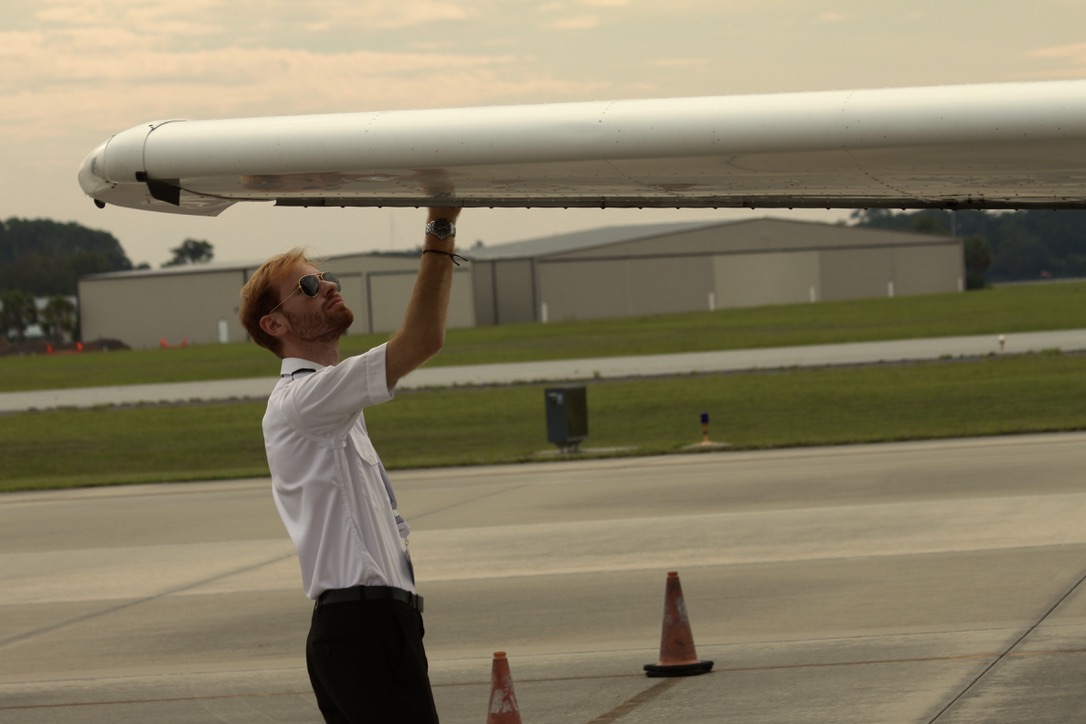
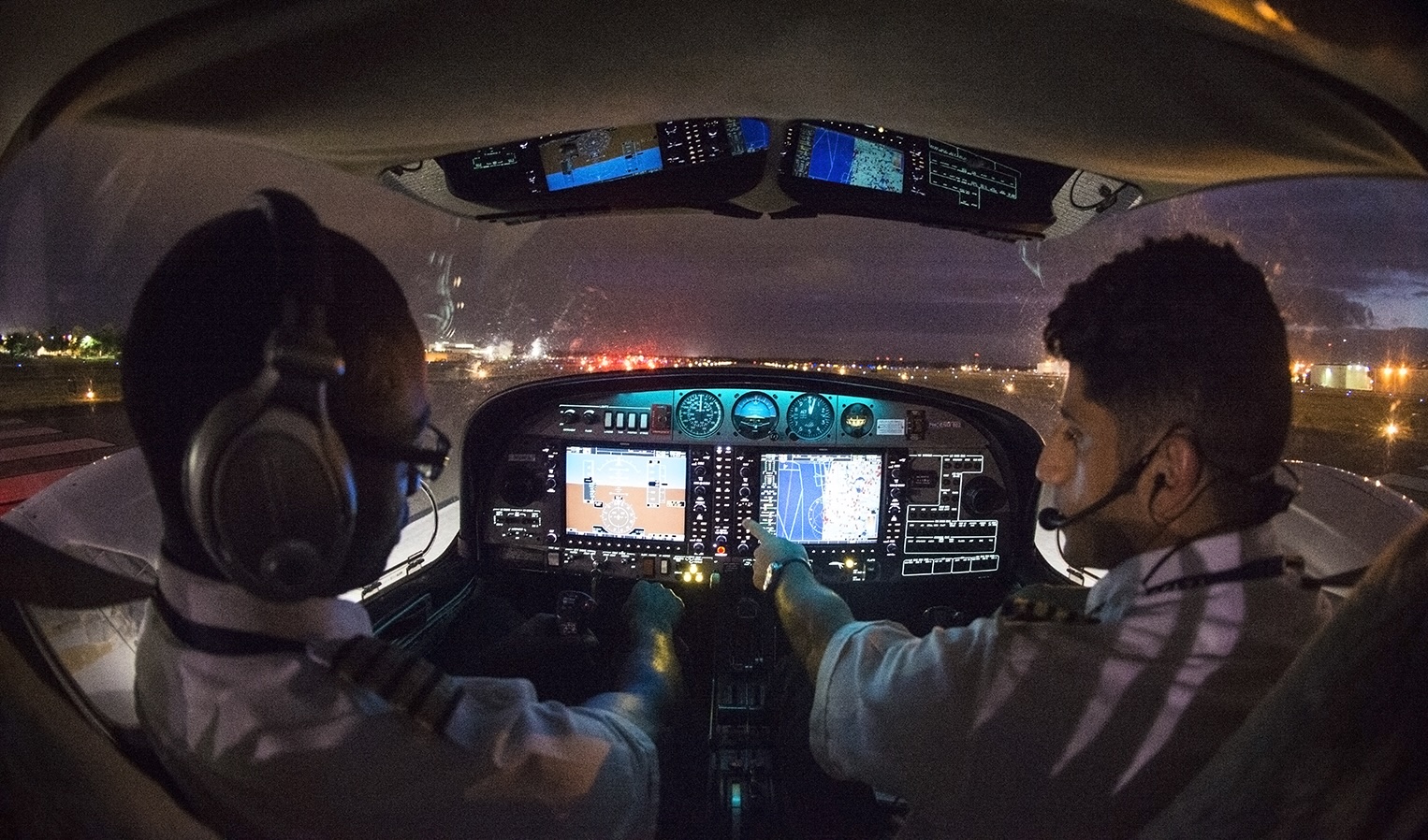
At Phoenix East Aviation, for example, students from over 100 different countries have come to train to be airline pilots. Learn mroe at www.pea.com.


Read More Posts Like This

Blog How to Choose a Flight School: Questions to Ask and Red Flags to Consider

Planning for flight school is exciting, but it also involves a major investment of time and money. Visiting a potential school is the best form of due diligence. A discovery call can also reveal quite a bit about the school’s values and approach to flight...

Blog Night Flying 101: What Student Pilots Need to Know Before Their First Night Flight

Being able to fly at night is a critical skill for any airline pilot. When you’re flying through a night sky, the airplane may feel familiar, but everything looks different. A loss of outside visual references can be disorienting, and clouds and terrain can be...

Blog Why Daytona Beach Is One of the Best Places in the U.S. to Train as a Pilot

Many factors can inform the ‘ideal’ flight school experience. Tuition and program length are natural priorities, as is the fleet, but location should not be treated as secondary. Overlooking where your future flight school is located could mean logging fewer flight hours or facing a...