What Disqualifies You From Becoming a Pilot?
Several things can disqualify you from becoming a pilot: certain medical conditions or physical impairments, specific criminal convictions, and serious or repeated violations of FAA regulations. Most are not automatic, and many are not permanent. Here is what the FAA actually looks at, and where you may still have a path forward.
 Key Takeaways
- A felony is not an automatic disqualifier. The FAA reviews criminal history case-by-case through a TSA security threat assessment.
- A DUI does not automatically bar you, but it must be reported to the FAA within 60 days. Drug convictions carry a separate rule.
- Most medical conditions are not permanent disqualifiers. Many are certifiable through a Special Issuance or CACI.
- Vision and hearing that can be corrected or aided usually meet FAA standards.
- A few conditions (epilepsy, bipolar disorder, psychosis) are specifically listed as disqualifying.
Common Disqualifiers at a Glance
| Issue | Automatic disqualifier? | What actually happens / path forward |
|---|---|---|
| Felony conviction | No | Reviewed case-by-case. Requires passing the TSA security threat assessment; certain serious or violent crimes disqualify. Honest disclosure on the application is essential. |
| Drug conviction | No, but restricted | Grounds for denial of an application for up to 1 year after final conviction, or suspension/revocation (14 CFR 61.15(a)). |
| DUI / alcohol (motor vehicle action) | No | Must be reported to the FAA within 60 days. Repeat actions or failure to report can lead to denial or suspension (14 CFR 61.15). |
| Uncorrected poor vision | No | Correctable with glasses or contacts. 20/40 meets the third-class standard; 20/20 for first/second class. |
| Color vision deficiency | No | May fly with restrictions or after additional color testing. |
| Hearing loss | No | Pass the conversational-voice test or an approved audiometry test. Hearing aids are allowed. |
| Epilepsy | No | Specifically listed as disqualifying; Special Issuance is rarely granted. |
| ADHD, depression, or anxiety | No | Case-by-case. Often certifiable via Special Issuance or CACI with the right documentation. |
| Bipolar disorder or psychosis | Yes | Specifically listed as disqualifying conditions. |
| Diabetes requiring medication | Case-by-case | Certifiable under an FAA Special Issuance protocol. |
| Substance dependence or abuse | Yes, time-limited | Disqualifying; reconsideration requires roughly 2 years of documented sobriety. |
| Insufficient training hours | No | Not a disqualifier. Complete the required hours to proceed. |
| Repeated FAA regulation violations | Can be | Fines or suspension for first offenses; repeated or egregious violations can revoke a certificate. |
Vision Impairments
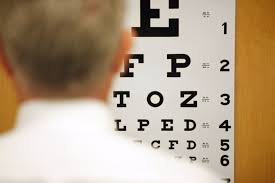
Depending on the type of flying, whether commercial or recreational, pilots will need an aviation medical certificate. For a third class medical certificate, which is needed to obtain a private pilot license, individuals must have a distant vision of 20/40, with or without correction. For first and second class medical certificates, which are required for commercial flying, an individual must have distant vision of 20/20, with or without correction. Take note that vision correction is allowed, meaning that one can still be a pilot if they need glasses. Color vision is also tested; a color deficiency does not automatically disqualify you and may only mean flying with restrictions or after additional testing. Failure to meet vision requirements makes an individual ineligible without correction, though most vision issues are correctable.
Hearing Issues
While vision may seem like the most important sense when it comes to flying, the ability to hear is equally as important. Pilots must be able to hear communications from air traffic control, as well as any sounds that could be a sign of damage to the aircraft. For this reason, the FAA requires that pilots have the ability to hear an average conversational voice at a distance of 6 feet without the use of a hearing aid.
Hearing ability is measured using audiometric testing. If a hearing aid is required, then a waiver may be granted if an individual is able to operate a plane while using the hearing aid. If an individual cannot meet hearing requirements, even with an aid, they may not qualify.
Cardiovascular Conditions
Cardiovascular health is another consideration when deciding if one is fit to be a pilot. A heart attack while in control of a plane can result in disastrous consequences not only for oneself, but also for any passengers and even people on the ground below. Heart conditions that will disqualify individuals from being a pilot include heart disease, cardiac arrhythmias, and heart valve disorders.
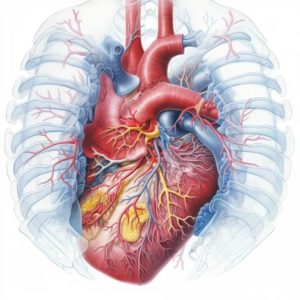
Please note that this is not a complete list. Many cardiac conditions can still be certified through a Special Issuance once treated and stable, so a diagnosis is rarely the end of the road.
Neurological Disorders
Neurological disorders can cause issues with cognitive abilities, motor function, and consciousness, and for this reason the FAA takes them very seriously. Any history of epilepsy is an automatic disqualification from being a pilot. Even if an individual has their seizures under control, the FAA views it as too great a risk to allow them to be in control of an aircraft.
Additionally, if an individual exhibits a history of migraines, especially ones accompanied by an aura, they are likely deemed unfit to be a pilot. Besides epilepsy and migraines, any condition which causes neurological symptoms can cause disqualification.
Mental Health Conditions
Any mental health condition which affects judgment, behavioral control, emotional control, or mental capacity is a pilot disqualifier. Most mental health conditions will not result in an automatic disqualification, but will require a decision by an FAA medical examiner.
The medical examiner will investigate an individual’s medical condition through interviews and reviewing records. They will then decide whether or not an individual should be barred from becoming a pilot.
Conditions such as ADHD, depression, and anxiety are evaluated case-by-case rather than treated as automatic or permanent disqualifiers. Depending on the diagnosis, treatment history, medication use, symptoms, and current stability, an applicant may qualify under a CACI pathway or receive a Special Issuance with appropriate documentation. Some applications may be deferred to the FAA for further review.
Bipolar disorder and psychosis, by contrast, are specifically listed as disqualifying conditions under FAA medical standards. Applicants with these conditions require an FAA determination and should not assume that an Aviation Medical Examiner can issue a certificate during the initial examination. Because every medical history is different, prospective students should discuss their circumstances with an Aviation Medical Examiner and gather any requested records before beginning the certification process.
Criminal Record
Can a felon be a pilot? In many cases, yes. A criminal record does not necessarily prevent someone from earning a pilot certificate, and the FAA does not treat every felony conviction as an automatic bar to private or commercial pilot certification. The nature of the offense, when it occurred and whether it raises safety, security, drug or alcohol concerns can all affect the outcome.
Applicants must still satisfy any applicable security requirements. Certain flight training candidates, particularly those who are not U.S. citizens or nationals, must undergo a Transportation Security Administration security threat assessment. A serious offense connected to terrorism, violence, transportation security, or another security concern may prevent someone from receiving approval for training. However, this requirement should not be confused with a blanket restriction against every person with a felony conviction.
A separate federal rule applies to certain drug convictions. Under 14 CFR 61.15, a conviction involving the growing, manufacturing, sale, possession, transportation, or importation of specified controlled substances can support denial of an application for up to one year after the final conviction. It can also lead to suspension or revocation of an existing certificate. DUI and other alcohol-related motor vehicle actions are addressed separately below.
Honest disclosure is essential throughout the application process. Applicants should answer each question according to its exact wording and provide any requested records. An intentionally false statement or omitted report can create a separate violation and may cause greater certification problems than the underlying incident.
Even when a conviction does not prevent FAA certification, it may affect a pilot’s employment prospects. Airlines and other aviation employers establish their own background-check and hiring policies, which may be stricter than the FAA’s certification requirements. For some applicants, these employer policies may present a larger hurdle than obtaining the pilot certificate itself.
DUIs, Drug & Alcohol Offenses
A DUI does not automatically prevent someone from becoming a pilot, nor does a single DUI automatically create a one-year waiting period. Under 14 CFR 61.15, a DUI conviction is considered a motor vehicle action. Driver’s license suspensions, cancellations, revocations, or denials related to drug- or alcohol-impaired driving can also qualify as motor vehicle actions, even when there is no conviction.
According to the FAA’s DUI and DWI reporting guidance, Part 61 certificate holders must submit a written report within 60 calendar days of each reportable action. For example, a driver’s license suspension following a DUI arrest may require one report, while a later conviction arising from the same incident may require another. An arrest by itself is not reported through this 60-day process. Failing to submit a required report can support denial of an application for up to one year or suspension or revocation of an existing certificate.
Multiple incidents receive closer scrutiny. Two motor vehicle actions arising from separate incidents within three years can support denial, suspension, or revocation. Three separate motor vehicle actions within three years are grounds for denial of an application or revocation of an existing certificate.
Drug convictions are governed by a separate provision. A final conviction involving specified controlled-substance activities can be grounds for denial of an application for up to one year, or for suspension or revocation. That rule, rather than a single DUI, is the source of the commonly cited one-year period.
Applicants must also disclose applicable arrests, convictions, and administrative actions when completing the Part 67 medical application. Because Part 61 notification and medical disclosure are separate requirements, completing one does not necessarily satisfy the other. PEA’s Student Services team can help applicants understand the application process and identify questions to discuss with the FAA or an Aviation Medical Examiner.
Drug and Alcohol Abuse
Actively abusing drugs or alcohol is an automatic disqualification from becoming a pilot. Drug examiners determine this based on drug and alcohol abuse history. They will do an investigation to determine whether an individual is likely to abuse again, which could pose a risk to being a pilot. A history of substance dependence generally requires about two years of documented sobriety before the FAA will reconsider certification.
Lack of Training Hours
When working towards a pilot license using a specific training program, such as the F.A.R. Part 141 course or the F.A.R Part 61 course, prospective pilots are required to complete a specific number of training hours. The amount of hours varies depending on the certificate. Regardless of the certificate, failure to complete the required training hours simply delays certification; it is not a permanent disqualifier.
Failed Exam
Prospective pilots must pass an FAA medical exam and hold the certificate class that matches their license (third class for a private pilot, second class for a commercial pilot). If the examiner cannot issue on the day, the application is often deferred rather than denied, and most deferred applicants are ultimately certified. See our full guide to the FAA medical exam for what to expect.
Non-Compliance with FAA Regulations
Pilots must adhere to hundreds of FAA regulations. Failure to comply with these regulations will result in disciplinary action. First time offenders may receive a fine or a suspension of their pilot license. However, repeated non-compliance or flagrant disregard of regulations will result in disqualification from being a pilot, and even being prohibited from flying an aircraft ever again.
Still Have Questions About Your Eligibility?
Most disqualifiers are narrower than they seem, and many have a path forward. Phoenix East Aviation’s expert team helps applicants navigate medical certification and disclosure questions before they enroll. Contact us to talk through your situation.
"Student Services assists students in completing the FAA MedXpress application to obtain a First Class FAA Medical Certificate. We provide detailed instructions for account creation and application completion. If questions arise, our staff offer guidance and help clarify health history questions. We also partner with an approved AME to schedule the medical exams. For deferrals or Special Issuance medicals, the Flight Training and Safety Departments can provide additional support."
- Bethany, PEA Student Services Manager
Frequently Asked Questions
Can you be a pilot with a felony?
Yes, a felony does not automatically prevent someone from becoming a pilot. The nature of the conviction, applicable TSA security requirements, and any FAA rules connected to the offense will determine whether it creates a barrier.
Can you get a pilot’s license with a DUI?
Yes, it may be possible to earn a pilot’s license with a DUI. A DUI is a motor vehicle action that may trigger FAA reporting and medical-disclosure requirements, while repeated incidents can lead to denial, suspension, or revocation.
Does ADHD or depression disqualify you from being a pilot?
Not automatically. The FAA evaluates ADHD and depression individually based on factors such as symptoms, treatment, medication use, medical records, and current stability.
Do you need 20/20 vision to be a pilot?
Not in every case. Third-class medical standards generally require 20/40 distant vision in each eye, while first- and second-class standards generally require 20/20, with correction permitted.
Can you be a pilot with epilepsy?
Epilepsy is specifically listed as a disqualifying neurological condition under FAA medical standards. An applicant may request FAA consideration, but certification requires an individualized review and sufficient medical evidence.
Sources: