Types of Aircraft Pilots Are Trained to Fly
Pilots don’t just learn to fly one type of aircraft—they often train on a variety of airplanes to build experience, enhance safety, and prepare for the demands of commercial aviation. Understanding the types of aircraft pilots are trained on provides insight into the rigorous process of becoming a professional pilot.
The Importance of Training on Multiple Aircraft
Training on multiple aircraft types is a crucial part of a pilot’s development. Each aircraft comes with unique handling characteristics, systems, and limitations. Learning to fly various planes teaches pilots how to adapt quickly, understand different performance profiles, and react effectively in emergencies. For example, a single-engine aircraft may be forgiving and easy to maneuver, while a multi-engine or technically advanced aircraft requires a higher level of coordination and knowledge of complex systems.
Pilots who train on multiple aircraft also build confidence and experience in varied conditions. This versatility is particularly valuable for commercial pilots, who may operate different aircraft throughout their careers or fly in diverse weather and traffic conditions. By gaining experience across a spectrum of airplanes, pilots develop the decision-making skills, situational awareness, and technical knowledge needed for professional aviation.
Single-Engine Aircraft
Single-engine aircraft are often the starting point for new pilots. They are simpler to operate, less expensive, and ideal for learning the fundamentals of flight.
Cessna 172
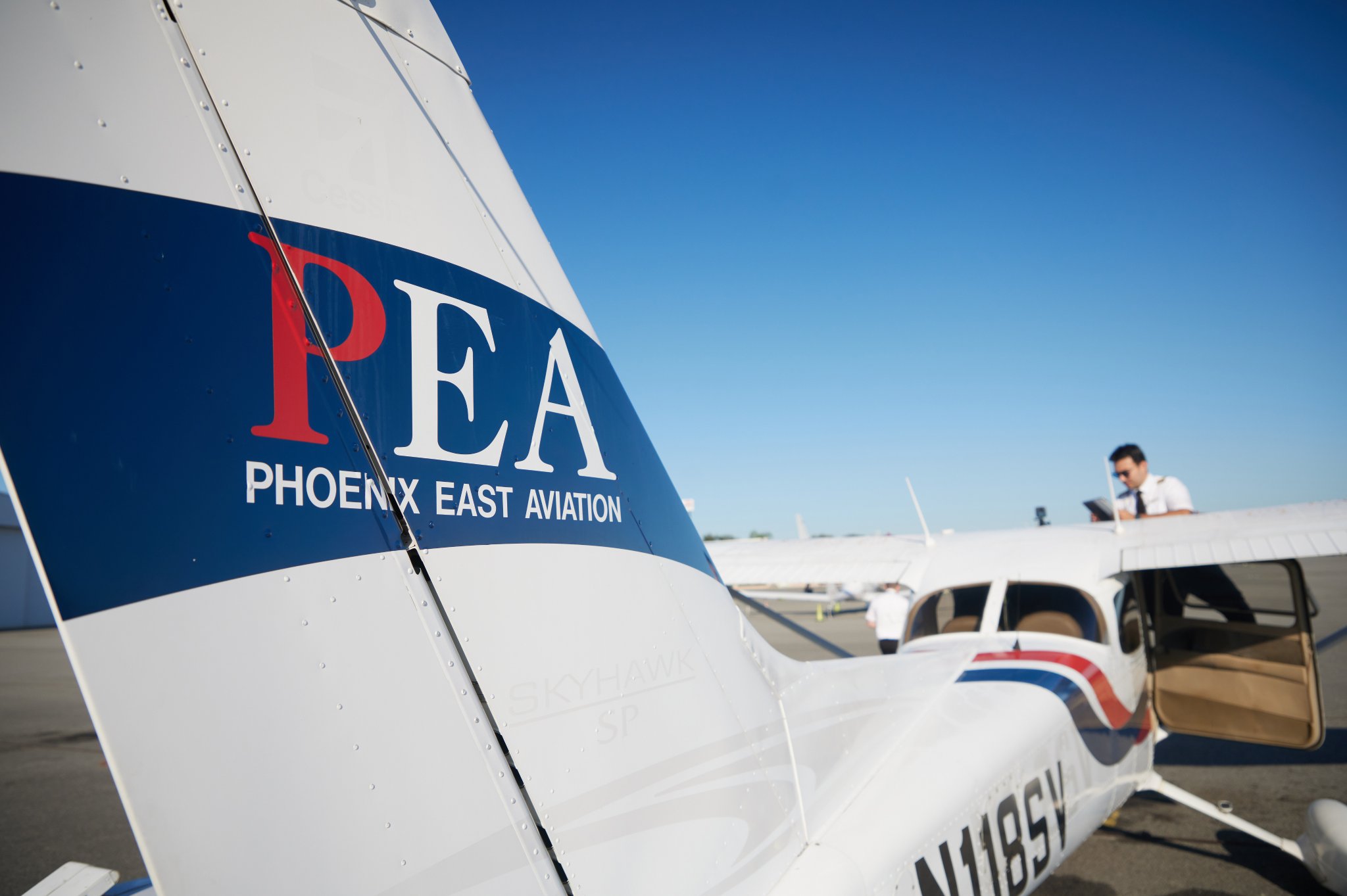
Among single-engine planes, the Cessna 172 stands out as one of the most popular training aircraft in the world. Its reliability, stable flight characteristics, and forgiving handling make it an excellent platform for students. Learning in a Cessna 172 allows pilots to focus on mastering the fundamentals of flight without being overwhelmed by complexity. Many professional pilots fondly recall their time in the Cessna 172 as the foundation that shaped their entire aviation career.
Multi-Engine Aircrafts
Once a pilot has mastered single-engine aircraft, the next step is usually multi-engine training. Multi-engine planes have two or more engines, which provide increased power, speed, and redundancy. Flying these aircraft requires an understanding of more complex systems and procedures, such as engine-out operations, weight and balance management, and differential thrust handling.
Education on multi-engine aircraft is provided to students who take part in courses required to be able to operate these aircraft. This prepares students to obtain their multi-engine rating needed to become a commercial airline pilot.
Technically Advanced Aircrafts
Technically advanced aircraft (TAA) are planes equipped with modern avionics, glass cockpits, autopilot systems, GPS navigation, and other digital flight instrumentation. Training on TAA is increasingly important because almost all commercial aircraft today incorporate advanced technology to enhance safety and efficiency.
Learning to operate a TAA helps pilots develop proficiency with modern avionics, improve situational awareness, and manage complex flight data. Pilots are trained to understand electronic flight displays, automated systems, and integrated navigation and communication tools. By familiarizing themselves with these technologies during training, pilots are better prepared for airline operations and modern cockpit environments. TAA training also emphasizes system management, decision-making, and the importance of monitoring automated systems to avoid errors.
What Types of Planes Do Commercial Pilots Fly?
Commercial pilots operate a diverse range of aircraft depending on their employer, route structure, and type of operation. Regional airlines often use turboprop planes or smaller regional jets, which provide short-haul service to smaller airports. Larger airlines fly medium and large commercial jets such as the Boeing 737, Airbus A320, or widebody aircraft for long-haul international flights.
Corporate pilots may operate business jets like the Gulfstream G500 or Cessna Citation series, which require knowledge of high-performance aircraft systems and advanced navigation skills. Cargo pilots, on the other hand, often fly specialized cargo planes like the Boeing 747 freighter or smaller turboprops adapted for freight operations. Regardless of the aircraft type, commercial pilots rely on the broad experience they gained during their training in single-engine, multi-engine, and technically advanced aircraft to ensure safety and efficiency.
In addition to technical skills, commercial pilots must also be prepared to handle diverse flight scenarios, including varying weather, emergency situations, and coordination with air traffic control. Extensive training on multiple aircraft types equips them with the adaptability and confidence necessary for these challenges.