
Blog

Student Visas for Flight Training in the U.S.

Students wishing to enter the US for flight training will need a M-1 Student Visa or a F-1 Student Visa. The student should plan to go to a US Embassy in their home country to apply for the visa. As an international student, you must also study at an FAA Part 141 approved school, according to US government regulations. Flight schools can only have the 141 designation if the school and training syllabus are approved by the FAA. Not all flight schools are approved for FAR 141 training, but there are a large number in the US that are approved Part 141, so this is no impediment.

The US flight training school must also be authorised by the US Department of Homeland Security to issue the M-1 student visa form, called the I-20. This I-20 plus additional information (see details below) will be needed to present to the visa officer at the time of the student’s visa interview at the US Embassy. This M-1 visa will allow the student to study and achieve his Private Pilot Certificate, Commercial Pilot Certificate, Instrument Rating, Multi-Engine Rating and/or the three flight instructor ratings. There are many US flight schools that are both Part 141 approved and that the US government has designated approved for M-1 visas. So again, this is no barrier; you will have a wide selection of academies to choose from.
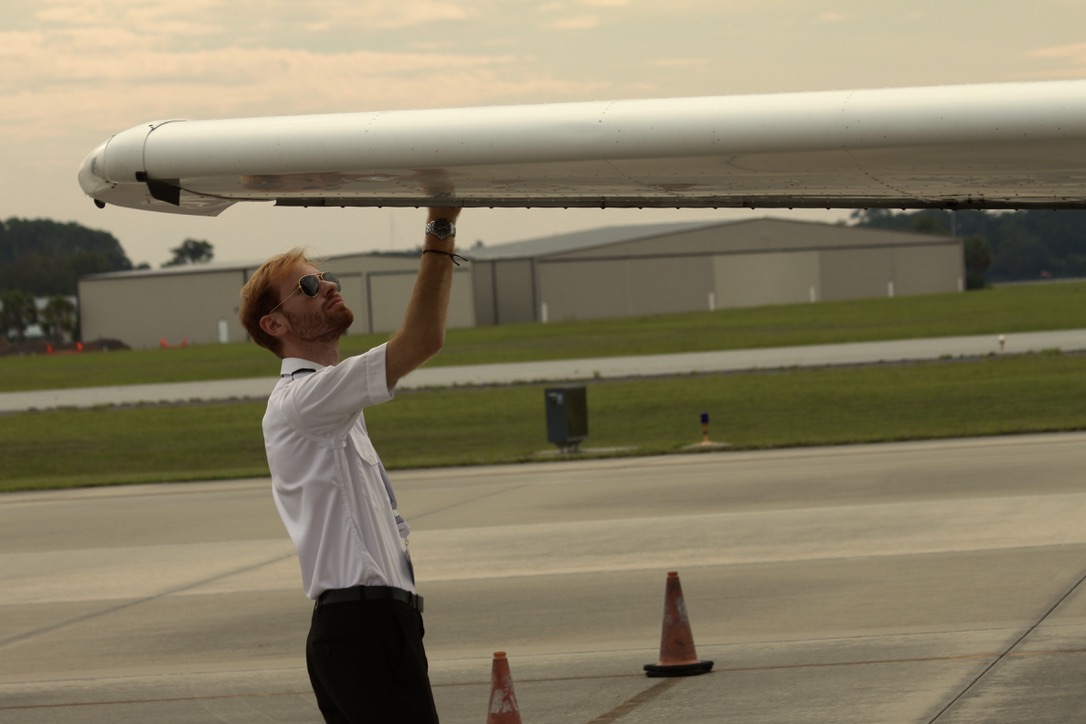
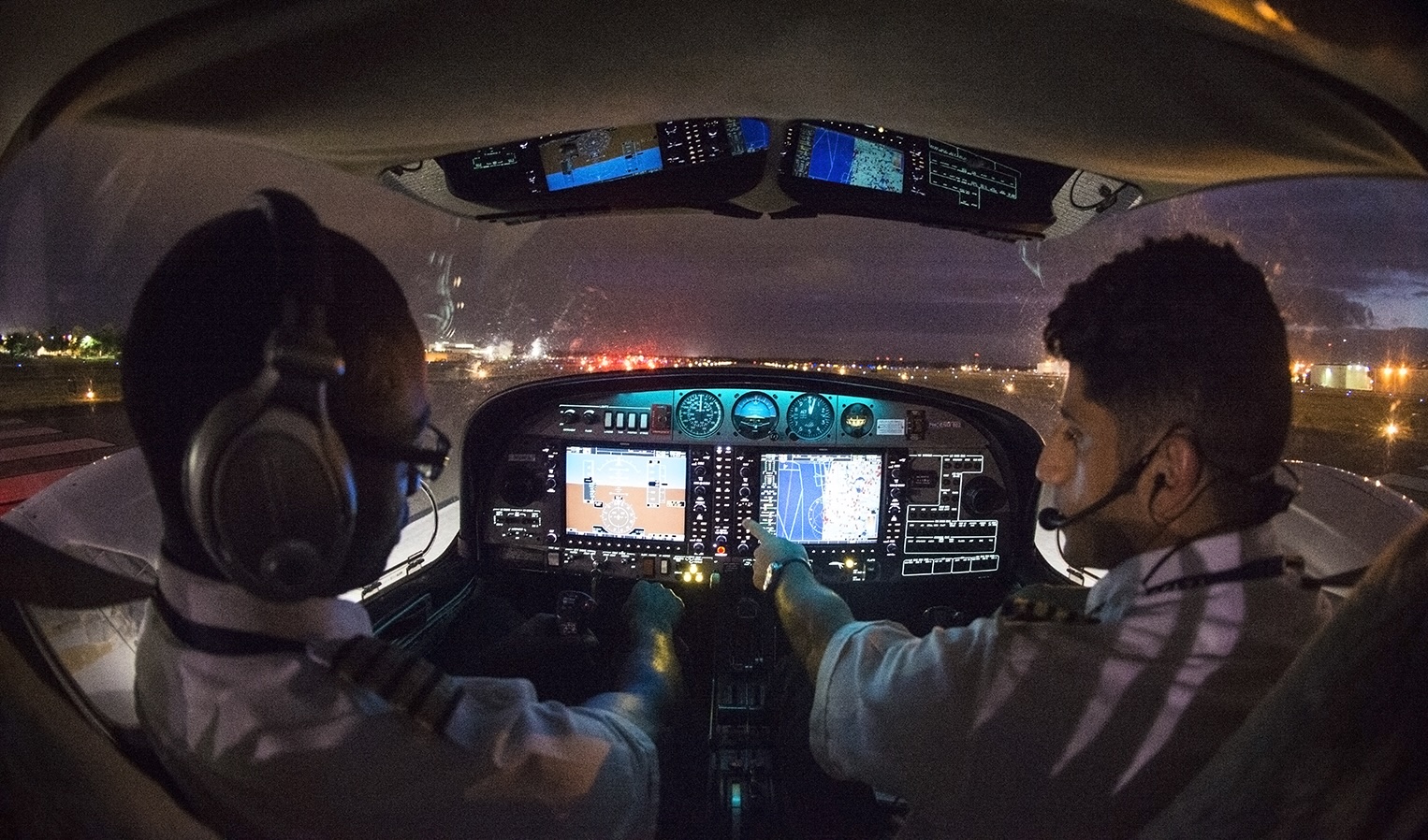
Additionally, colleges and universities and some independent flight training academies (there are only 8 of them in the USA) are authorised by the US Department of Homeland Security for F-1 Student Visa form (I-20) authorization. Phoenix East Aviation is one of the 8 independent flight training academies that is approved for F-1 (I-20) form.  The provides many advantages for the student pilot.  For more information on this, see www.pea.com


Read More Posts Like This

Close up shot of PEA Cessna 172 Tail. Blue stripe with red P in PEA
Blog PEA vs. Other Florida Flight Schools: What Makes Phoenix East Aviation Different?

Looking for the best flight school in Florida? Although there is no shortage of options, not all schools are created equal. At Phoenix East Aviation (PEA), we take pride in our longstanding accreditation, decades of operational history, robust airline partnerships, and strong graduate outcomes. Read...

Close up shot of PEA Cessna 172 Tail. Blue stripe with red P in PEA
Blog Regional Airline Pilot Salary: What First Officers Really Earn in 2026

Pilots work tirelessly to keep passengers and crew safe. Across regional and major carriers, their commitment is typically rewarded with strong career satisfaction and earning potential. Many regional airline first officers reach six figures in their first or second year.  Captains and first officers earn...

Close up shot of PEA Cessna 172 Tail. Blue stripe with red P in PEA
Blog Part 61 vs. 141 Flight School: Which Gets You to the Airlines Faster?

When comparing Part 61 vs. 141 flight training, there’s not necessarily a “better” path. Choosing the right flight school track is about aligning training with your long-term pilot career path. For aspiring airline pilots, this decision can directly impact how quickly you qualify for the...