
Difference Between VFR and IFR
As a student pilot, learning the different flight terms and abbreviations can be tricky. It’s important to understand the proper terms and what they mean before you enter the flight deck.
Visual Flight Rules (VFR) and Instrument Flight Rules (IFR) are two vital terms in aviation and knowing the distinctions between the two is a key component of flying. The Federal Aviation Administration (FAA) established these terms to serve as navigational guidelines for pilots.
Visual Meteorological Conditions (VMC) are a component of Visual Flight Rules (VFR) while Instrument Meteorological Conditions (IMC) are a part of Instrument Flight Rules (IFR). Pilots use VMC and IMC to evaluate if they can fly under either set of rules based on weather conditions: VMC and IMC are sometimes used interchangeably with VFR and IFR. A pilot cannot fly under VFR or IFR without an accurate read on weather conditions. Even experienced pilots use these terms incorrectly, so it’s understandable that one may not know exactly what they mean. Let’s take a further look into each term.
What is VFR?
Visual Flight Rules are just like they sound and deal with the “visual” aspects of flying. Under VFR, a pilot cannot fly under certain weather conditions and must be able to see the ground and points of reference. If there are conditions that interfere with or obstruct vision, such as heavy rain and other aircraft, a pilot will not be able to fly according to VFR. VFR training must also occur in clear weather conditions without obstruction.
It can be tricky to know when to use VFR or Visual Meteorological Conditions (VMC) without confusing the two. When referring to VFR or VMC, VFR is the type of flight operation or type of flight plan flown by the pilot, and VMC refers to the type of weather conditions. This also applies to IFR and IMC.
What is IFR?
“Instrument” is a common term used in aviation and all prospective pilots need to learn. Flight instruments are devices within the flight deck that allow a pilot to understand flight conditions, such as altimeters, compasses, and airspeed indicators. While VFR uses instruments to ease navigation in tandem with visual cues, instrument flight rules (IFR) consist solely of instrument flying. In other words, if a pilot is flying using IFR, they only use instruments to navigate—not visuals.
Pilots with an instrument rating are less likely to be inhibited by weather conditions, according to the Instrument Meteorological Conditions (IMC), and are generally more adaptable to inclement weather and other unpredictable circumstances. This is primarily due to the higher level of precision required in the absence of visual cues.
For example, if a pilot cannot see out of a window due to an obstacle, they cannot fly under VFR, whereas a pilot using IFR will be able to fly without that restriction. Additionally, according to IMC guidelines from the FAA, a plane cannot fly if visibility is less than three statute miles or the cloud ceiling is less than 1,000 feet above ground level (AGL).
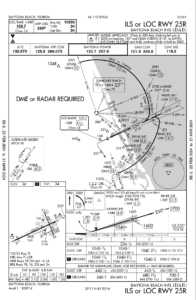 While instrument flying is risky due to a lack of outside references, proper training, and specialized instrument courses will make the process safer and less intimidating. Training includes how to use navigational aids like VORs, ADF, and GPS, as well as how to fly approaches using an Instrument Landing System (ILS).
Obtaining an instrument rating is imperative for most pilots. A pilot whose ultimate goal is to fly commercially must have an instrument rating, as they spend most of their time above the clouds, where there are not any visual cues.
It is important to understand the difference between VFR and IFR as these terms are important to any pilot. Phoenix East Aviation is here to help pilot dreams take off. Everyone who walks through the doors of PEA has one thing in common: to become a pilot. Although some may come to them with prior experience, many will begin by obtaining their Private Pilot License and from there, become Instrument Rated. Earning an instrument rating only brings a pilot one step closer to their ultimate goal.
Are you interested in learning more? Contact Phoenix East Aviation’s esteemed Admissions Department via email at info2@pea.com