The Flying Car: An Airplane in Every Garage?
There was a time when aviation experts thought that there would be an airplane in everybody’s garage. In The Jetsons, a futuristic cartoon that first aired in 1962, a flying car took the place of the common car during George Jetson’s commute to work.
The idea of a flying car isn’t new; it existed before World War I when the aviation industry saw its first developmental successes. But the designs never took shape. Then, in the post-World War II era, a surplus of aircraft in the United States made experts think that maybe the idea of a flying car was a real possibility. Aviation experts at the time thought that the potential for everyone to have a flying car in their garage was real. Again, designs proved to be too challenging and expensive for the product to go to market.
Recent developments are making the dream seem like more of a reality. At least two companies are working toward production of a flying car: Terrafugia and PAL-V.
Terrafugia Transition
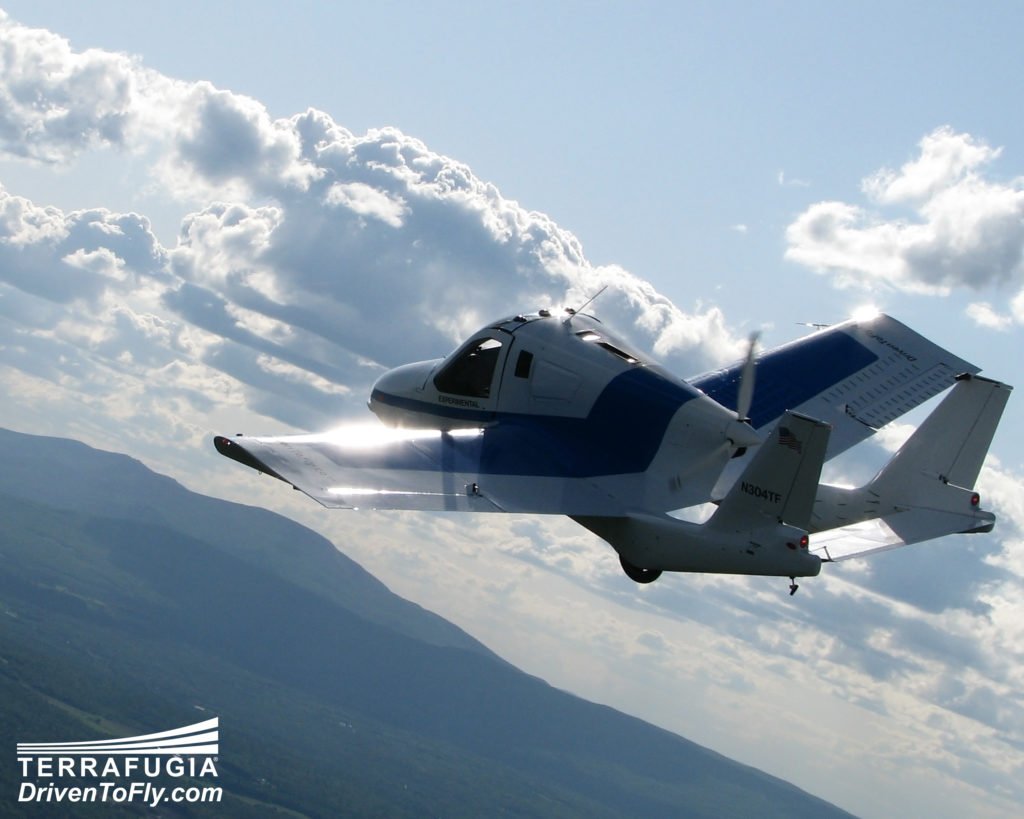
Terrafugia Transition, Copywrite Terrafugia http://www.terrafugia.com/
Terrafugia is an American company that had plans to deliver its new flying car, the Transition, by 2012. The Transition has been in development since 2007 and is currently undergoing testing.
The Transition doesn’t yet have a production date, but the drivable aircraft was flown for the first time in public at Oshkosh in August. During the demonstration flight, the Transition displayed how it folds up electronically to transform itself from an airplane to a car right on the taxiway.
The Transition will allow pilots to get to their destination even in marginal weather, since they can land the aircraft and drive when necessary. It’s built with a steering wheel for driving and a stick and rudder for flying, along with glass-cockpit technology and room for a few bags or golf clubs.
Terrafugia already has more than 100 orders for the Transition. It will cost about 279,000 USD.
PAL-V
Source: PAL-V
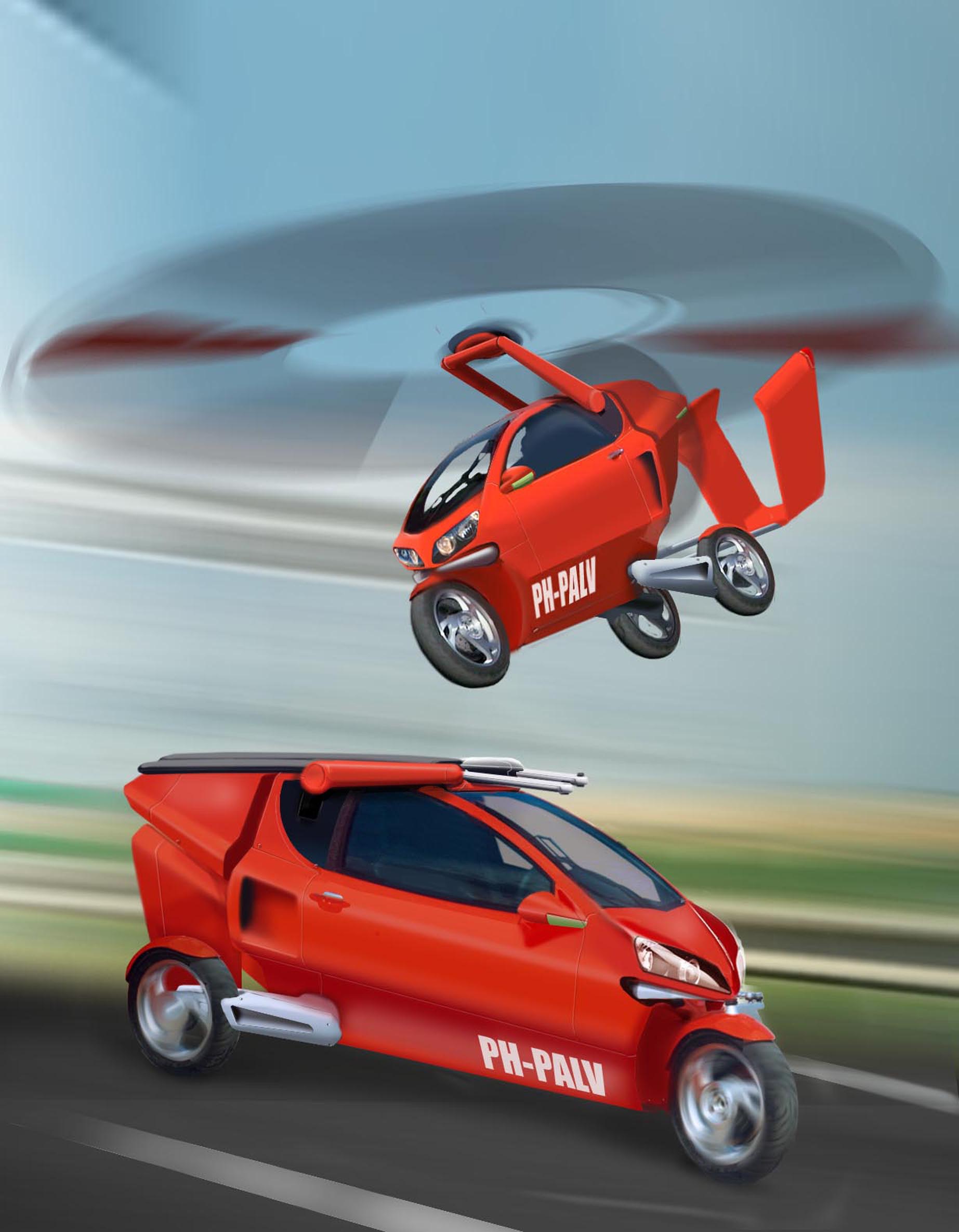
The biggest competitor for the Transition is the PAL-V, which stands for Personal Air and Land Vehicle. PAL-V is based in the Netherlands. The company’s first flying car design, the PAL-V ONE started in 2008 and its first flight was in 2012.
The PAL-V ONE is a gyrocopter that transforms into a small three-wheeled car that drives like a motorcycle. With an apparent takeoff distance of only 540 feet, the PAL-V will be able to take off and land almost anywhere.
The PAL-V ONE can fly at speeds of about 110 miles per hour both on the ground and in the air, and is rumored to cost upwards of 300,000 USD. PAL-V is currently looking for investors to continue testing its design, according to its website.