Your First Flight: What to Expect
The idea of flight training can be intimidating for many. After all, you’ll be in charge of a large flying machine that has a lot of buttons and twice as many things that can go wrong. With all of the rules and important things to remember, flying can be a daunting dream to have.
If you’ve ever wondered what flight training is really like, or if you’d be any good at it, you’re not alone. Your first few flights will probably be overwhelming. Once you’ve flown a few times, though, you’ll soon learn that flying is not as difficult as it seems.
As a student pilot, your first flight will consist of learning where everything is and what all of the buttons and controls do on the airplane. You’ll learn how to accomplish each checklist and you’ll get to perform a few basic flying maneuvers like climbs, descents and turns.
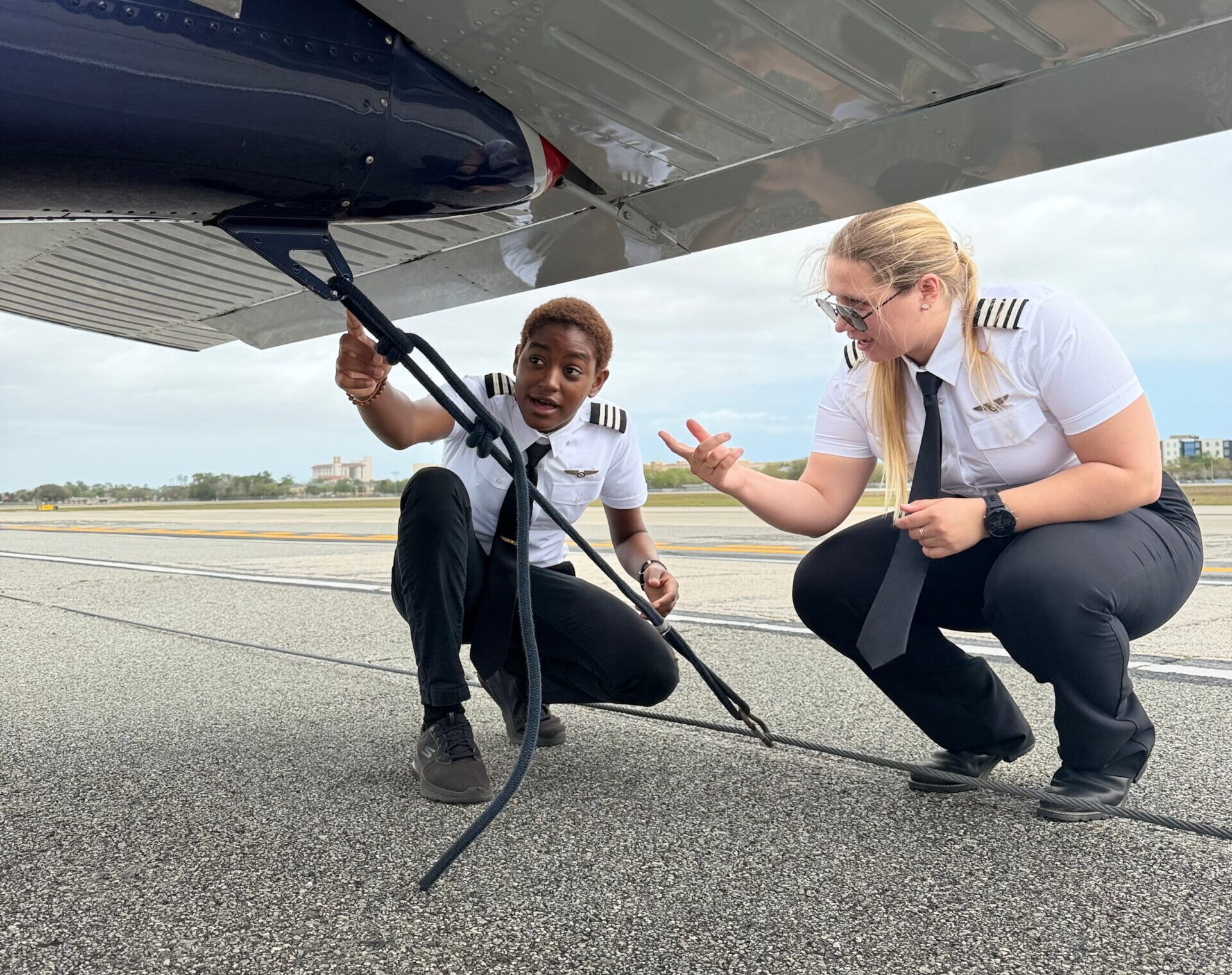
- Preflight: Your flight will probably start out with a discussion of the preflight procedures, including the specific line items and the reason you should check each item. You’ll perform a visual inspection of every part of the airplane, check the fuel and oil and make sure the necessary documents are on board.
- Taxi: Your instructor will show you how to use the rudder pedals to taxi. He or she will also show you how to brake and use the rudder in a turn. Your first taxi lesson will also help you get acquainted with airport ground operations, including taxiway and runway locations, signs and markings.
- Run-Up and Takeoff: After an engine run-up checklist, you’ll take off. Your instructor will show you how to line up on the runway, add power and maintain runway centerline.
- Maneuvers: Once you’re airborne, you’ll probably go to a designated practice area, where your instructor will show you how to perform climbs, descents and turns. He or she will probably show you how to adjust power accordingly and demonstrate what the different phases of flight should look and feel like. You’ll learn which instruments to look at to determine your airspeed, altitude and bank angle, but will be encouraged to look outside for most of the flight.
- Descent and Landing: When you’re finished in the practice area, your instructor will show you how to enter the pattern and set up the aircraft for landing. There’s a pre-landing checklist to accomplish and you’ll learn which power settings and flap settings to use for your airplane. Your instructor will land the plane but may ask you to follow along on the controls so that you start to get a feel for the airplane while in the landing attitude and configuration.
- After Landing and Shutdown: After you land, you’ll perform the after-landing checklist and taxi back to the ramp area, where your instructor will show you how to shut down the airplane, including a post-flight inspection.
During the entire flight, you’ll be exposed to local radio communications, decision-making techniques and the rules and procedures regarding local operations. You’ll also be taught how to look for and find other airplanes during your flight – a necessary step in collision avoidance.
If this all seems overwhelming to you, don’t worry. It’s a lot to take in at first, but after a few flights, the checklists and procedures will seem like second nature to you, and you’ll be able to relax and enjoy the view in no time!