Entry Level Pilot Jobs After Flight School
It takes both time and dedication to complete flight school. From start to finish, flight school requires a minimum of 1,500 hours to obtain an ATP license to begin work as a commercial pilot. While the ultimate goal for many pilots is to fly for a major airline, reaching that dream career requires building flight experience first.
The path beyond flight school requires gaining real-world experience through entry-level positions designed for pilots at the start of their careers. These roles provide the flight time, skills, and professional development necessary to advance in the aviation industry.
Here are the most common entry-level pilot jobs that will help you gain experience to use towards your long-term career goals.
Certified Flight Instructor (CFI)
One of the most popular entry-level positions for newly licensed pilots is becoming a Certified Flight Instructor. This role allows you to teach aspiring pilots while simultaneously building your own flight hours. As a CFI, you’ll provide ground instruction and in-flight training to student pilots working toward their private, instrument, and commercial pilot certificates. CFIs can be achieved before obtaining the ATP license needed to work for an airline as a pilot. For this reason, it’s an ideal career to build flight hours towards the minimum 1,500 needed for an ATP license.
The benefits of starting as a flight instructor are significant. Not only do you accumulate flight time relatively quickly, but you also deepen your understanding of aircraft systems, regulations, and flight procedures by teaching them to others. Many pilots find that instructing makes them sharper, more confident aviators. Additionally, flight schools are frequently hiring CFIs, making this an accessible entry point into professional aviation.
For pilots who enjoy mentoring and sharing their passion for aviation, this role can be particularly rewarding. Most regional airlines also view CFI experience favorably, as it demonstrates both technical proficiency and the ability to communicate complex information clearly.
Regional Airline First Officer
Once you’ve accumulated the necessary flight hours and meet the Airline Transport Pilot (ATP) requirements, transitioning to a regional airline as a First Officer becomes a viable next step. Regional airlines operate shorter routes, often connecting smaller cities to major airline hubs, and they serve as the primary training ground for pilots aspiring to fly for major carriers.
As a First Officer at a regional airline, you’ll work alongside an experienced Captain, operating turboprop or regional jet aircraft. This position provides invaluable experience in commercial aviation operations, including flying in various weather conditions, navigating complex airspace, and managing the demands of scheduled airline service. You’ll learn crew resource management, standard operating procedures, and how to handle the responsibilities that come with transporting passengers safely.
Regional airlines have historically experienced strong demand for pilots, which can translate to faster hiring processes and quicker advancement opportunities. Many major airlines have partnerships with regional carriers, creating clear pathways for pilots to progress from regional First Officer to major airline positions. The experience gained flying in a multi-crew environment with sophisticated aircraft systems is essential preparation for a long-term career in commercial aviation.
Corporate or Charter First Officer
For pilots seeking an alternative to the airline path, corporate aviation and charter operations offer compelling entry-level opportunities. Corporate flight departments serve private companies, transporting executives and employees, while charter operators provide on-demand air travel services to various clients. Both environments allow you to serve as a First Officer on business jets or turboprop aircraft.
Working in corporate or charter aviation often provides a different lifestyle compared to airline flying. Schedules can be less predictable but may offer more flexibility, and you’ll typically serve fewer passengers in a more personalized service environment. The variety of destinations can be exciting, as corporate and charter flights may take you to smaller airports and locations that major airlines don’t serve.
This career path also allows you to build valuable turbine time and gain experience with advanced avionics and aircraft systems. The relationships you build with flight departments and charter companies can lead to long-term career opportunities, whether you remain in corporate aviation or eventually transition to the airlines. For pilots who value variety, personal connections with passengers, and a potentially better work-life balance, corporate and charter flying can be an excellent choice.
How to Gain Experience as a Pilot
Becoming a commercial airline pilot requires 1,500 flight hours. After completing flight school and obtaining your instrument ratings and pilot certifications, pilots who want to advance in their careers will need real-world experience. This experience is found through entry-level positions that are often looking for pilots at the beginning of their careers. The more experience a pilot has, the more opportunities are open to them to apply for major airlines with more competitive salaries and benefits.
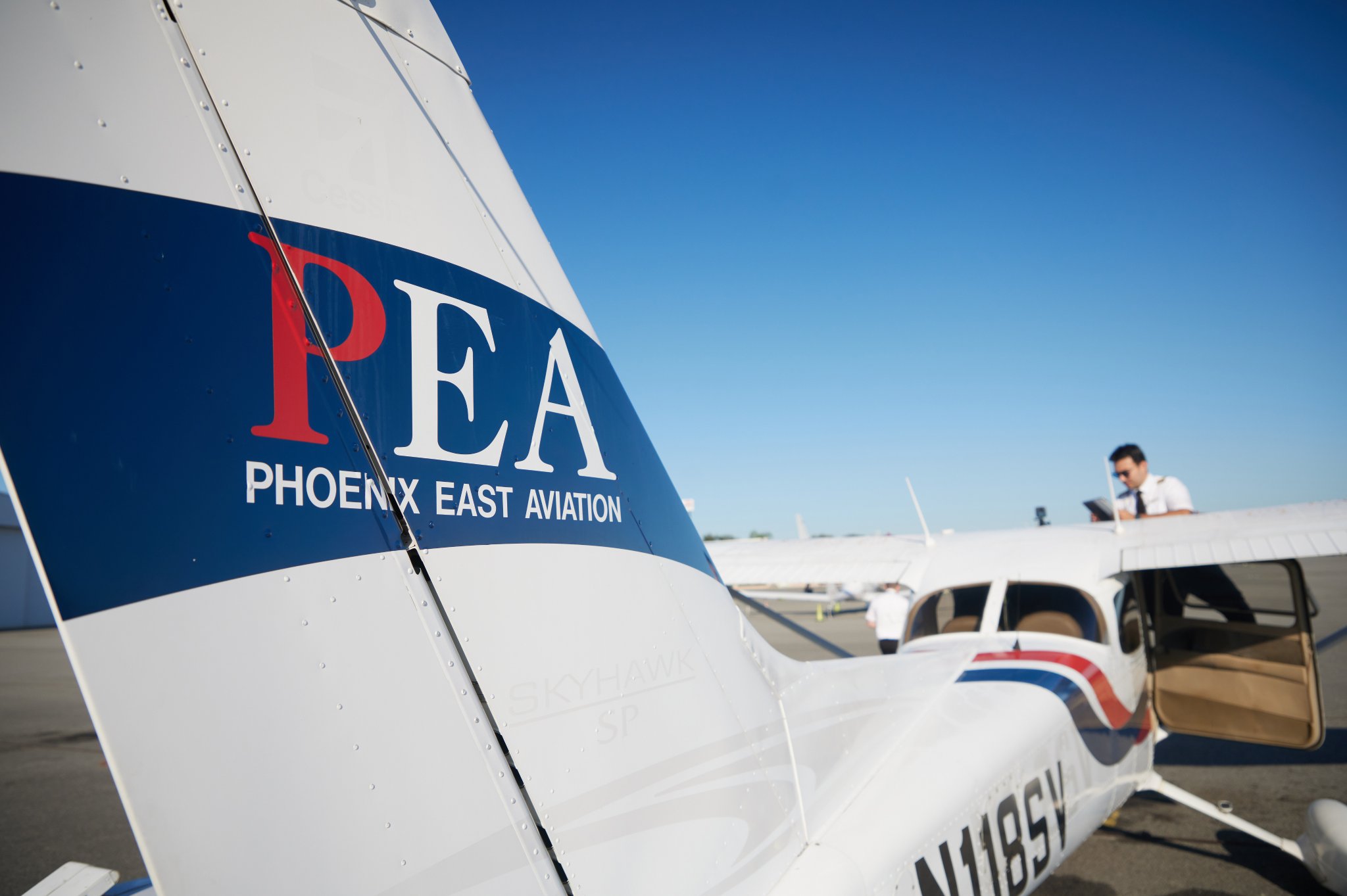
Quality flight training from the beginning also makes a significant difference in your readiness for these entry-level positions. Phoenix East Aviation ensures that student pilots gain real-world experience flying aircraft, including taking off and landing in busy airspace in Florida. This exposure to high-traffic environments and diverse flying conditions prepares graduates to transition smoothly into professional aviation roles.
As you accumulate flight hours and experience, you’ll notice increasing opportunities becoming available. Airlines and flight departments look for pilots who demonstrate not just the minimum qualifications, but also professionalism, adaptability, and a genuine commitment to safety. Every flight you log is another step toward your ultimate career goals in aviation, so embrace each opportunity to learn and grow as a pilot.