The IMSAFE Checklist: How Pilots Assess Their Health Before Every Flight
Before flying, pilots must undergo thorough preflight planning procedures. This includes tasks such as ensuring that their aircraft is prepared to fly, whether that be checking the fuel reserves or the plane’s maintenance history, verifying their flight path with Air Traffic Control, and weather conditions.
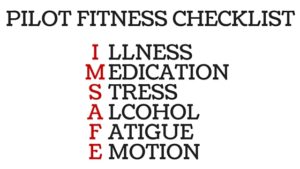
 A pilot’s physical fitness is another important component of the preflight process, and the Federal Aviation Administration’s (FAA) IMSAFE checklist is one way that pilots can determine that they are not posing any fitness or medical risks before flying. This checklist can help pilots assess whether their health could be a potential hazard before flying. If a pilot gets in the habit of using this checklist, it could minimize safety risks while also allowing pilots to operate at peak performance. Each letter of IMSAFE represents one of six “aeromedical hazards” as defined by the FAA: illness, medication, stress, alcohol, fatigue, and emotion.
What Is the IMSAFE Checklist?
- The IMSAFE checklist is an FAA-recommended self-assessment tool pilots use to evaluate whether they are physically and mentally fit to fly.
- IMSAFE stands for illness, medication, stress, alcohol, fatigue, and emotion — six factors that can affect flight safety and pilot performance.
- Pilots use the checklist before every flight to identify potential health or judgment issues that could interfere with safe aircraft operation.
- IMSAFE is considered part of the broader preflight planning process alongside weather briefings, aircraft inspections, fuel checks, and route planning.
- Student pilots and experienced airline pilots alike are trained to use IMSAFE as a routine aeronautical decision-making habit.
Illness and Medication
The “illness” category of IMSAFE represents any level of sickness a pilot feels before flight. The FAA states that pilots should not fly if they are feeling any sort of illness, since this may affect a pilot’s ability to fly. The FAA states that when a pilot is ill, they may experience fever and other distracting symptoms which can impair their judgement, memory, alertness, and ability to perform calculations.
Even if a pilot is medicated for an illness, it is still unwise for them to fly, since medications can cause changes in performance, especially if they interfere with a pilot’s responsiveness.The relationship between medications and flying is more complex than many pilots realize. While pilots frequently seek definitive lists of approved medications, there is no universal list that exists. The aviation medical community emphasizes that often it is not the medication itself, but the underlying condition requiring treatment that poses the primary concern. A fundamental principle in aviation medicine holds that if a pilot feels ill enough to need medication, they’re likely too ill to fly safely – even a simple cold could compromise flight safety.
Additionally, medication approvals vary internationally, with drugs permitted by the FAA potentially being prohibited in Europe and vice versa. The misconception that over-the-counter or herbal remedies are inherently safer than prescription medications can be dangerous, as any medication carries the risk of adverse reactions that could impact flight safety. Pilots that require any medical treatment or medications should consult both their general practitioner and Aviation Medical Examiner before flying.
Stress
Stress, the third category of the IMSAFE checklist, refers to a pilot’s response to events or factors known as “stressors,” which can often lead to feelings of overwhelmingness and impaired decision making. Stressors can take on many forms, such as those that stem from work, finances, and health. Stress is unavoidable, however, individuals can choose to adopt habits that affect how they handle stress. This could include accepting personal limitations, understanding what causes stress and minimizing exposure to avoidable stressors, and forming a strong support system.
Alcohol
Pilots should be wary when consuming alcohol and how long the effects will last. This is dependent on a number of factors, such as the alcoholic content of a beverage and the volume of consumption. The FAA prohibits pilots from flying within eight hours of alcohol consumption, although they recommend that a pilot waits at least 12 to 24 hours after consumption to fly.
Fatigue
 Fatigue, otherwise known as tiredness, can fall into two categories: acute and chronic, both of which are caused by significant periods of physical and mental exertion. The main difference between the two is that acute fatigue is short-term and can be reduced by a normal night’s sleep, while chronic fatigue is long-term and occurs due to a lack of sleep and continuous acute fatigue. Chronic fatigue requires more substantial rest time to remedy than acute fatigue, and is considered to be a more serious condition. It is up to each pilot to determine whether they are getting adequate rest and what they need to do to prevent prolonged periods of fatigue.
Emotion
The last letter of IMSAFE stands for emotion, which reflects a pilot’s feelings at any given moment in time that might influence their ability to make decisions. Emotions tend to operate hand-in-hand with stress, and it is important for a pilot to separate from negative emotions during a flight so that both the pilot’s safety and the safety of any other individuals on the aircraft are protected. Pilots must maintain level headedness and a calm temperament to avoid running into negative consequences.
What Is a Preflight Checklist?
A preflight checklist is a step-by-step procedure pilots use before takeoff to confirm that both the aircraft and the pilot are prepared for safe flight. These checklists help reduce the risk of oversight by ensuring that critical safety items are reviewed in a consistent order before every departure.
One important part of the preflight process is verifying required aircraft documentation using the ARROW acronym: Airworthiness Certificate, Registration Certificate, Radio License (when required internationally), Operating Limitations, and Weight & Balance information. Pilots must confirm that these documents are current, accessible, and appropriate for the planned flight.
The preflight process typically includes several main phases. First, pilots review aircraft documentation, flight planning materials, and required paperwork. Next comes the external walkaround inspection, where pilots visually examine the aircraft for fuel levels, leaks, tire condition, structural damage, and other safety concerns. Pilots then complete a cockpit and interior inspection by checking instruments, avionics, flight controls, and emergency equipment before moving into engine start and run-up procedures to verify that aircraft systems are operating properly before takeoff.
Specific checklist procedures vary by aircraft type, so pilots always follow the Pilot Operating Handbook (POH) and manufacturer guidance for their specific aircraft.
Start Your Flight Training at Phoenix East Aviation
The IMSAFE checklist is a foundational tool that every pilot — from student to seasoned professional — returns to before every flight. Developing the habit of running through each category honestly and consistently is one of the most important safety practices a pilot can build early in their training. Combined with a thorough aircraft preflight inspection, IMSAFE gives pilots a complete picture of readiness before leaving the ground.
At Phoenix East Aviation, safety is woven into every stage of the curriculum. Students learn to apply IMSAFE, conduct preflight inspections, and develop the aeronautical decision-making skills that airlines look for in professional pilots. Whether you are just beginning to explore flight school or are ready to commit to an accelerated Part 141 program, PEA’s admissions team is here to help you take the next step.
To learn more or get started, contact info2@pea.com or visit our contact page.
Frequently Asked Questions
Is the IMSAFE checklist required by the FAA?
The FAA strongly encourages pilots to use the IMSAFE checklist before every flight as part of safe aeronautical decision-making. While there is no regulation requiring pilots to complete a formal IMSAFE worksheet, pilots are responsible for determining whether they are medically and mentally fit to fly. Many flight schools and airline training programs teach IMSAFE as a standard preflight habit.
Does IMSAFE apply to student pilots, or just licensed pilots?
IMSAFE applies to all pilots, including student pilots, private pilots, commercial pilots, and airline transport pilots. In fact, student pilots are often introduced to IMSAFE early in training because learning how to assess personal fitness is considered a core safety skill. Developing these habits early can help pilots make safer decisions throughout their careers.
What should a pilot do if they fail one of the IMSAFE criteria?
If a pilot identifies a concern in any IMSAFE category (such as illness, fatigue, stress, or medication use) the safest decision is usually to delay or cancel the flight until the issue is resolved. Pilots should never feel pressured to fly when they are not physically or mentally prepared. When medical questions arise, pilots should consult an Aviation Medical Examiner (AME) or healthcare professional before returning to flight duties.
Can I fly if I have a cold?
Even a mild cold can affect a pilot’s performance and ability to fly safely. Congestion, headaches, fatigue, sinus pressure, and certain medications may impair concentration, communication, or pressure equalization during altitude changes. Pilots should carefully evaluate symptoms and avoid flying if they feel unwell or are taking medications that could affect alertness or reaction time.
How long after drinking alcohol can a pilot fly?
FAA regulations prohibit pilots from flying within eight hours of consuming alcohol or while under the influence of alcohol. However, many aviation safety experts recommend waiting at least 12 to 24 hours after drinking before flying, depending on the amount consumed. Alcohol can impair judgment, coordination, hydration, and reaction time long after the immediate effects wear off.
References:
#:~:text=The%20safest%20rule%20is%20not,aviation%20medical%20examiner%20for%20advice.