5 Ways to Succeed in an Advanced Flight Training Program
1. Hit the books
Before you ever step foot in an airplane, you’ll want to study. Yes, flying is more fun than studying, but the more you learn while on the ground, the better you’ll fly. And the better you are at flying, the quicker you’ll progress through your training program.
Instead of just studying for the FAA written exam, study your maneuvers, checklists and the local area. Entering class B airspace, for example, will be less stressful for you and your instructor if you’ve practiced your radio communication procedures before you fly.
2. Chair Fly
Are you grounded because of weather? Chair fly. The nice thing about chair flying is that you can do it anywhere. Chair flying requires nothing more than your imagination and a plan for what you want to learn.
Maybe you need to work on memorizing emergency checklists. Or maybe your instructor told you to work on visualizing the approach and landing. So pull up a chair and put a picture of the cockpit on the wall if you’d like. If you don’t want to work alone, ask a friend to perform co-pilot duties with you. When you make chair flying as real as possible, you’ll recognize your problem areas. At the very least, chair flying will keep your skills sharp when you can’t actually fly.
3. Use a Flight Simulator
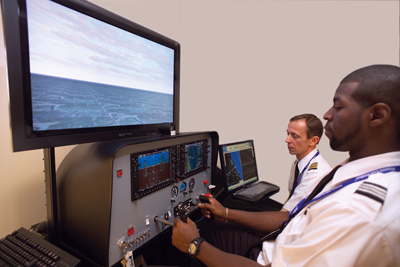
A flight simulator program, such as Microsoft Flight Simulator, won’t teach you ‘stick and rudder’ skills. But it’s a great procedural trainer, and it gives you an idea of what to expect while you’re in the air. The newer computer simulators have really good graphics and very realistic sounds and scenes. You can add clouds or rain or fly at night, making flight training as realistic as possible.
While you won’t improve your landings with a computer program, you can practice the traffic pattern, proper radio communications, and checklist procedures in the same type of airplane you’re currently flying. Computer simulators are even better for instrument training. You can fly a simulated cross-country flight, practicing approaches at multiple airports and fast-forward through the really boring parts.
4. Practice and Visualize
Before every single flight, go over each aspect of the flight in your mind. Verbalize and act out every detail, from the preflight checklist to the post-landing parking procedures. If you know exactly how you want the flight to go, you’ll have an easier time completing the task when you’re in the air.
In addition to visualizing the regular procedures for your particular flight training exercise, practice emergency procedures and visualize a variety of additional situations you might encounter in real life flying, such as a busier-than-normal control tower or unexpected weather situations.
5. Teach a Friend
One of the easiest ways to learn and remember information is to teach it. This is important for those students wishing to continue on to becoming a flight instructor, but it’s a great way for beginners to learn material, as well. Our minds remember things much better when we teach others, and teaching others means we really have to know what we’re talking about.
In the beginning, start small: If you have a lesson coming up on power-off stalls, try to teach a friend to perform a power-off stall. If he or she is an advanced student, they can add to your training by asking tough questions and making you aware of things you hadn’t thought of before.