PEA’s Airline Partnerships: How Our Career Pathway Program Connects Graduates to Hiring Airlines
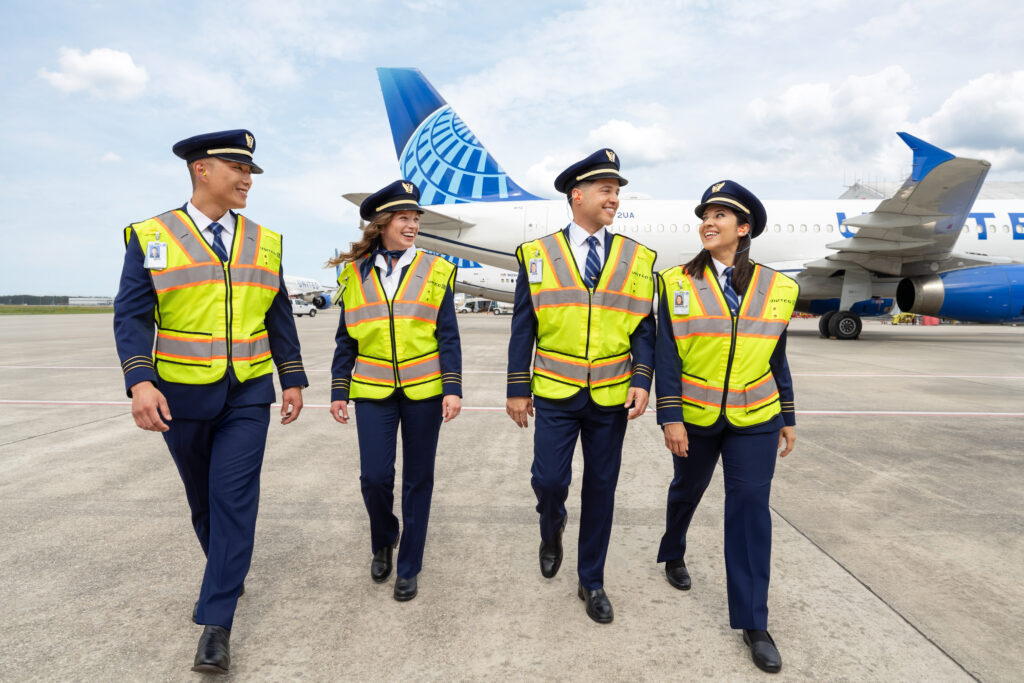
Finishing flight training is a major step toward your new career, but you still need a path from earning certificates to meeting airlines that are hiring. Flight school airline partnerships help connect education to employment by giving students access to recruiters, structured pathway programs, and information about what employers expect.
The Bureau of Labor Statistics projects about 16,400 openings for airline and commercial pilots each year through 2035. Phoenix East Aviation (PEA) supports students through two types of career connections: a formal Aviate pathway with United Airlines and ongoing access to recruiters from other aviation employers.
While no flight school, including PEA, guarantees an airline job, the value of these partnerships is having a clearer flight school to airline career path and opportunities to meet employers before applying.
What Flight School Airline Partnerships Actually Mean
An airline partnership connects flight training with a potential employer in a way that helps students get noticed. Depending on the program, access could include recruiter presentations, networking events, interview prioritization, or a conditional job offer based on meeting the employer’s requirements.
PEA’s Career Pathways and Partners resources focus on giving students opportunities to speak directly with recruiters and learn about hiring expectations. So, what does that entail? It means you can think ahead; instead of waiting to finish training before researching airline hiring requirements, you will already know which certificates, experience levels, and professional skills employers expect you to have.

The Aviate Program PEA Offers: A United Airlines Pilot Pipeline
PEA is an Aviate-participating flight school, with its Aviate program giving eligible students access to United Airlines’ pilot career development program and a clear path to becoming a United First Officer.
Students accepted into Aviate through PEA receive a conditional job offer as a United First Officer, coaching from a United pilot, and travel privileges. United also operates the largest widebody fleet of any North American carrier and has bases across the United States and Guam.
To apply to United’s Aviate program through a participating flight school, you need to:
- Remain in good standing with your flight school and follow its student code of conduct.
- Hold a commercial pilot certificate with an instrument rating and a valid FAA medical certificate originally issued as a first- or second-class medical certificate.
- Have no more than three total checkride failures, including no more than two certificated regulatory checkride failures.
- Hold a high school diploma or GED equivalent.
See the United Aviate Program Guide for full eligibility requirements.
Applicants selected for an interview meet with a panel at United’s Flight Training Center in Denver. The interview includes behavioral questions and a pilot-led technical portion based on the applicant’s highest rating.
What “Preferential Hiring” Means in Practice
The United Airlines pilot pipeline gives you a defined route to employment, but it isn’t a shortcut around training or experience requirements. Aviate participants still have to complete each stage and continue meeting program requirements to be hired.
Here’s how this might work for you:
- The United First Officer offer remains conditional on completing Aviate and satisfying United’s hiring requirements.
- Aviate participants receive interview priority at participating United Express carriers and Part 135 operators as they continue building experience.
- You complete one interview with United when applying to Aviate instead of starting over with another United interview later in the pathway.
- Participants must upgrade to captain and complete 1,200 or 1,600 hours as pilot in command at a participating carrier or operator, depending on their Aviate entry point.
Why do this? The benefit is knowing what is happening next. You have an intended destination and understand program requirements long before you reach the final hiring stage.
From PEA Graduation to a First Officer Seat
PEA’s career pathway ensures that students don’t just get the basic education; they also get experience-building training. The process generally looks like this:
- Train – Earn your commercial pilot certificate with an instrument rating at PEA, then continue into certified flight instructor training, including CFI, CFII, and MEI qualifications.
- Apply – Submit your Aviate application through United when you’re eligible. A PEA admissions officer helps students understand when to apply.
- Build – Accumulate the required flight experience. Working as a flight instructor is a common route for building hours, and qualified graduates can apply for instructor positions at PEA.
- Fly – Move into an eligible United Express carrier or Part 135 operator and continue meeting Aviate requirements.
- Transition – After satisfying the program requirements, progress toward a United First Officer position.
PEA graduate Mahfrin Wadia talks about her experience on the Career Pathways page. She completed CFI, CFII, and MEI training at PEA, then accumulated more than 1,500 hours as an instructor. She later became an Envoy First Officer before moving to United as a First Officer.
Students who don’t enter Aviate still have other routes. Once you meet the FAA requirements for an airline transport pilot certificate, you can apply directly to regional airlines and other qualifying employers.
Beyond United: Regional, Cargo, and Private Jet Recruiters on Campus
PEA’s airline connections aren’t bound to a single program. The school also brings regional and national airlines, private jet operators, and cargo carriers to campus each month for presentations and open forums, exposing everyone to the industry education they need to succeed.
Past event participants include SkyWest, CommuteAir, GoJet, and Piedmont. Other participants include PSA, Republic, Envoy, Air Wisconsin, NetJets, and JSX. The lineup changes, so current students should check the Partners page for examples of past participants.
PEA also hosts resume workshops with aviation employment resources such as JSfirm, which the school describes as the world’s largest resource for aviation jobs. These events give you opportunities to ask airline recruiters about hiring standards before you submit an application.
How to Evaluate Any Flight School’s Airline Partnerships
Not every airline partnership flight school offers the same type of access to big airlines and potential employers. It’s important to do some research to determine what kinds of relationships there are and how they can work for you.
Useful questions include:
- Does the airline itself publish or confirm the partnership?
- What does the pathway include, such as recruiter access, interview priority, or a conditional job offer?
- What certificate, flight-hour, and service requirements apply, and who verifies them?
- Does the school publish a current partner list and examples of graduate outcomes?
- Does the school clearly explain what it can or cannot promise?
Claims of guaranteed airline employment deserve extra scrutiny from any student hoping to land a role. Quality training and strong airline pathway programs can improve preparation and access, but airlines still make their own hiring decisions.
Build a Clearer Path From Flight Training to an Airline Career
Airline partnerships don’t replace strong flight training, but they can be a great way to get your foot in the door. They give you more structure as you move from earning certificates to building hours and, eventually, applying for professional flying positions.
PEA’s Career Pathways, Partners, and Aviate resources connect students with airlines before they graduate, allowing them to speak with recruiters, see what employers expect from recent graduates, build flight experience, and gain a strong professional record.
If you’re planning your own pilot career, contact a PEA admissions officer to discuss training and the timing of available career pathway opportunities.
Sources
https://www.bls.gov/ooh/transportation-and-material-moving/airline-and-commercial-pilots.htm
https://unitedaviate.com/frequently-asked-questions/
https://unitedaviate.com/updates/aviate-program-changes-2023/