Where Are They Now? How PEA Graduates Are Landing Airline Jobs Around the World
When comparing the best aviation programs in the U.S., an important factor to consider is where graduates actually work after training. Flight school outcomes give you a better idea of how training connects with hour building, airline applications, and long-term career growth.
Phoenix East Aviation (PEA) has trained pilots in Daytona Beach since 1972, with students coming from more than 70 countries. Graduates today work as first officers and captains at major airlines such as Delta, American Airlines, and United, as well as regional carriers.
So, where do pilot graduates work? Here’s a look at two PEA alumni career paths and what to know when comparing flight schools.
Where Do PEA Graduates Work?
For PEA graduates, airlines are one of several career options in aviation. Graduates have moved into airline cockpits across the industry, with alumni holding first officer and captain positions with major U.S. airlines and regional carriers. Some common places to work include:
- Major airlines – PEA alumni fly for carriers including Delta, American Airlines, and United.
- Regional airlines – Regional carriers often serve as an early airline step for pilots building professional experience.
- Corporate, charter, and cargo operators – Private jet operators and cargo carriers visit PEA’s campus monthly to meet students.
Real Alumni, Real Career Paths
Examining individual careers shows how a flight school to airline path develops over time.
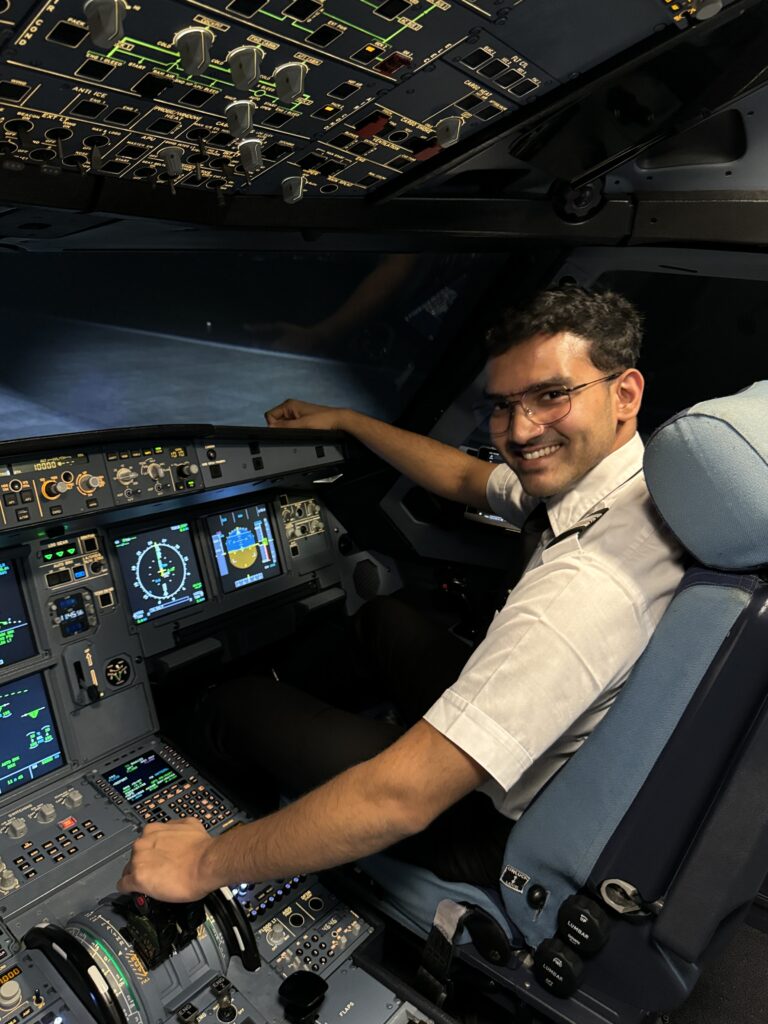
One PEA graduate began as an American Eagle first officer flying the EMB-145 in July 2011. He later upgraded to captain and became a check airman. In November 2019, he joined American Airlines as a Boeing 737 first officer before upgrading to captain in July 2022. He is now based in Miami.
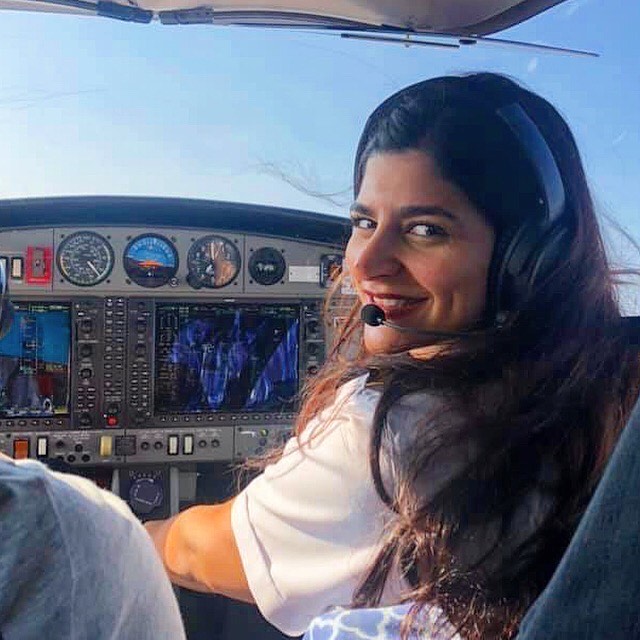
PEA graduate Mahfrin Wadia followed another path. She moved from Dubai at age 18 and completed her flight training at PEA, including CFI, CFII, and MEI qualifications. She then worked as an instructor at PEA and accumulated over 1,500 flight hours before being hired by Envoy as a first officer. Her next move was to United Airlines, where she became a Boeing 737 first officer.
While these two alumni had different timelines and experiences, they followed similar paths: completing professional training, building flight experience, starting at a regional airline, and moving to a major carrier.
The Typical Path From Flight School to the Airline Flight Deck
Most pilots build their careers in stages instead of moving directly from flight school into a major airline. A typical pilot career path may look like the following:
- Earn certificates and ratings. Students complete private, instrument, and commercial training, then often go on to earn flight instructor qualifications.
- Build flight time. Working as a certified flight instructor is a common way to accumulate experience after commercial training.
- Qualify for an airline transport pilot certificate. Airline first officers must hold an airline transport pilot certificate and an appropriate aircraft type rating. Most pilots need 1,500 flight hours, although qualifying military pilots and graduates of certain FAA-authorized aviation degree programs may qualify with fewer.
- Start with an airline. Many pilots begin with a regional airline to get more experience in professional airline operations.
- Advance. Additional experience can lead to captain positions or opportunities with larger carriers, opening up well-paid, high-demand jobs for alumni with the right skills.
Long-term hiring projections show continued demand for pilots, which is important if you’re just getting started now or graduating soon. Boeing’s 2026 Pilot and Technician Outlook forecasts a need for 674,000 new pilots worldwide over 20 years, including 122,000 in North America. The U.S. Bureau of Labor Statistics (BLS) projects about 16,400 openings for airline and commercial pilots each year through 2035.
Those numbers describe industry demand, not individual results. No flight school can guarantee airline employment, and hiring depends heavily on airline needs, experience, and each pilot’s qualifications. To have the best chances of success, building strong skills and gaining experience are musts.
How PEA Connects Students With Airlines
PEA combines flight training with several forms of career access:
- United Aviate – PEA is an Aviate-participating flight school. Students who are accepted receive a conditional job offer as a United first officer, coaching from a United pilot, and travel privileges. Students may apply after earning a commercial pilot certificate with an instrument rating.
- Airline recruiter visits – Regional and national airlines, private jet operators, and cargo carriers visit PEA each month for presentations and open forums. Previous participants include SkyWest, Envoy, Republic Airways, PSA, Piedmont, GoJet, CommuteAir, NetJets, and JSX.
- Career preparation – PEA hosts resume workshops with aviation employment resources such as JSfirm, giving students another opportunity to prepare for future applications.
Placement is never guaranteed, but through connections with people in the airline industry, students can learn what employers are seeking in applicants.
What to Look for When Comparing Flight School Outcomes
When researching pilot school alumni jobs, ask which employers have hired graduates and how the school helps students prepare for those roles. Look for the following:
- Alumni whose career outcomes the school can actually document
- Direct relationships with airlines or aviation employers
- Opportunities to meet airline recruiters while still training
- Flight instructor or other hour-building opportunities after graduation
- FAA approval and recognized accreditation
- Clear explanations of what the school cannot promise
PEA operates under Part 141, has been ACCET-accredited since 1995, and has graduates who have progressed from training into regional and major airline careers.
Remember, no reputable school can promise that completing training automatically leads to an airline job. Strong training, experience, and professional performance are all important, and employers will look at every part of your education and skills to determine if they want you flying for them.
Build Your Own Path From PEA to the Airlines
PEA graduates have become first officers and captains at major and regional airlines by combining professional training with the experience required to advance. Working hard can land impressive roles, and that’s what PEA is here to help you do.
If you’re beginning flight training, reviewing real alumni career paths can help you understand what comes after earning your certificates. If you’re already building flight hours, airline visits and pathway programs let you learn what employers expect before your first interview.
Explore PEA’s Career Pathways to see how training, hour building, and airline connections can support your education. Then, if you’re ready to move forward, speak with a PEA admissions officer about your own flight school to airline goals.
Sources
https://pea.com/career-pathways/
https://www.instagram.com/p/CvKngF9uO88
https://www.linkedin.com/feed/update/urn:li:activity:7135670026149269504/
https://www.bls.gov/ooh/transportation-and-material-moving/airline-and-commercial-pilots.htm
https://www.boeing.com/commercial/market/pilot-technician-outlook
https://unitedaviate.com/aviate-program-career-paths/flight-school/