How to Choose a Flight School: Questions to Ask and Red Flags to Consider
Planning for flight school is exciting, but it also involves a major investment of time and money. Visiting a potential school is the best form of due diligence. A discovery call can also reveal quite a bit about the school’s values and approach to flight training. When considering how to choose a flight school, don’t take claims at face value. Ask questions and dig deeper to see if potential schools deliver on their promises.
Making a choice means looking at several factors, including curriculum, accreditation, student support, location, and climate. Below, we’ve highlighted 10 key questions to ask flight school representatives. Use them as a flight school visit checklist, and remember that how a school answers can matter as much as the answers themselves.
1. Is the School Accredited, and What Does That Protect?
Accreditation should factor heavily into any student’s program decision, but it is a particularly important consideration for an aspiring pilot. Independent bodies audit flight schools to verify educational quality, instructional standards, and financial accountability. Although accreditation does not guarantee a student’s outcome, it provides an added level of oversight that can help protect the student’s investment.
Simply knowing whether a flight school is accredited is not sufficient, however. Different accrediting bodies examine different factors, so ask which organization accredits the school, how long the school has held that status, and what standards the accreditor reviews.
At Phoenix East Aviation (PEA), this commitment is independently verified. PEA has been accredited by the Accrediting Council for Continuing Education & Training (ACCET) since 1995. PEA is also FAA-certificated and approved for eligible veterans’ education benefits.
2. How Modern Is the Training Fleet, and How Available Are the Aircraft?
The fleet provides a tangible foundation for flight training. This is where you build physical skills and spatial awareness while also logging hours that move you toward certification. The age, condition, and availability of the aircraft can affect whether it is possible to train consistently.
Fleet size is a critical factor because it determines access to aircraft. Compare fleet size to the size of the student body to get a better sense of likely availability. Ask about the number and age of the aircraft, the student-to-aircraft ratio, and whether maintenance is performed in-house. A sizable, well-balanced fleet allows for consistent scheduling, including critical checkride preparation.
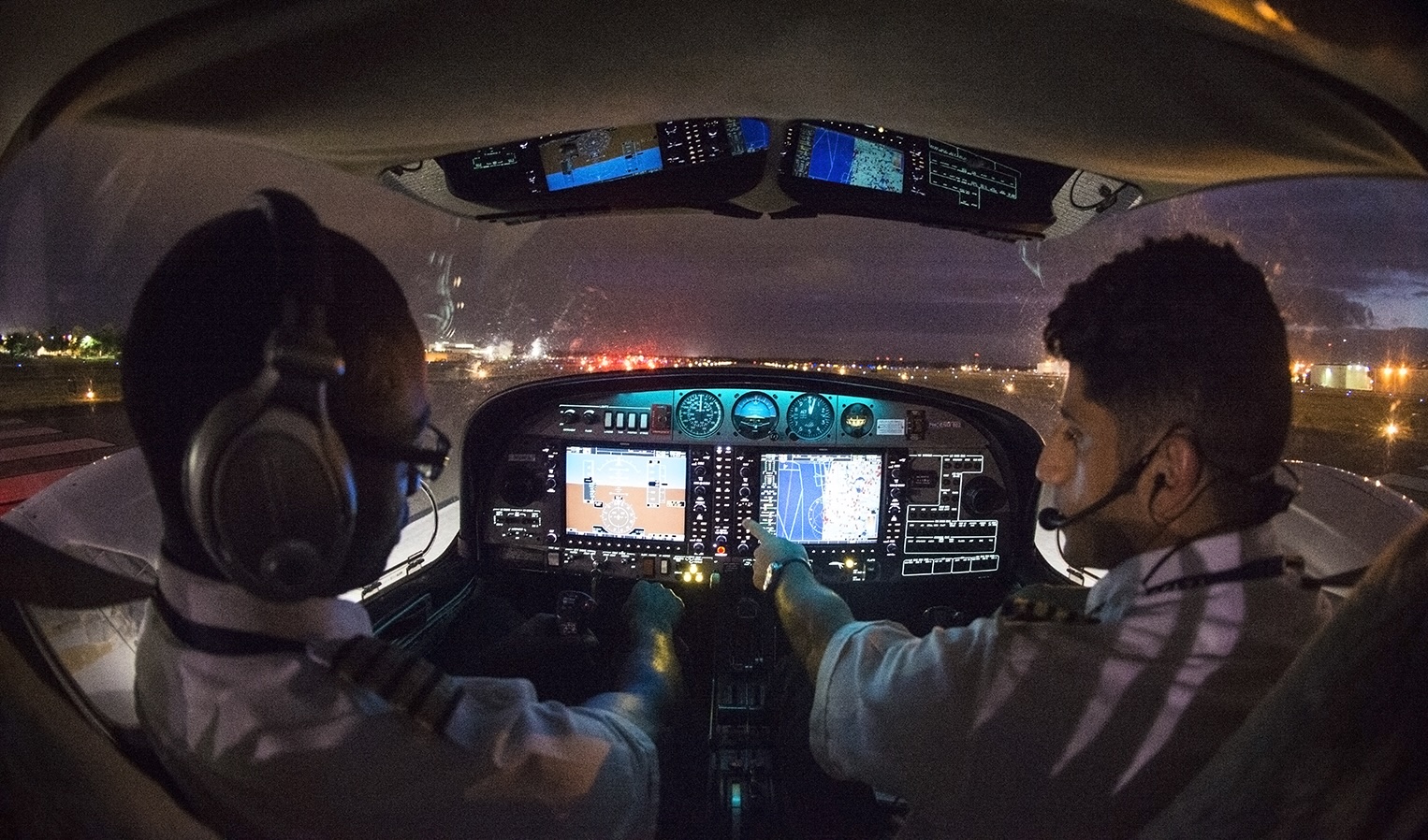
The types of aircraft also matter. Student pilots should have access to both single- and multiengine aircraft with displays relevant to the technology used in the aviation industry. Glass-cockpit avionics build familiarity and can ease the eventual transition to airline flight decks.
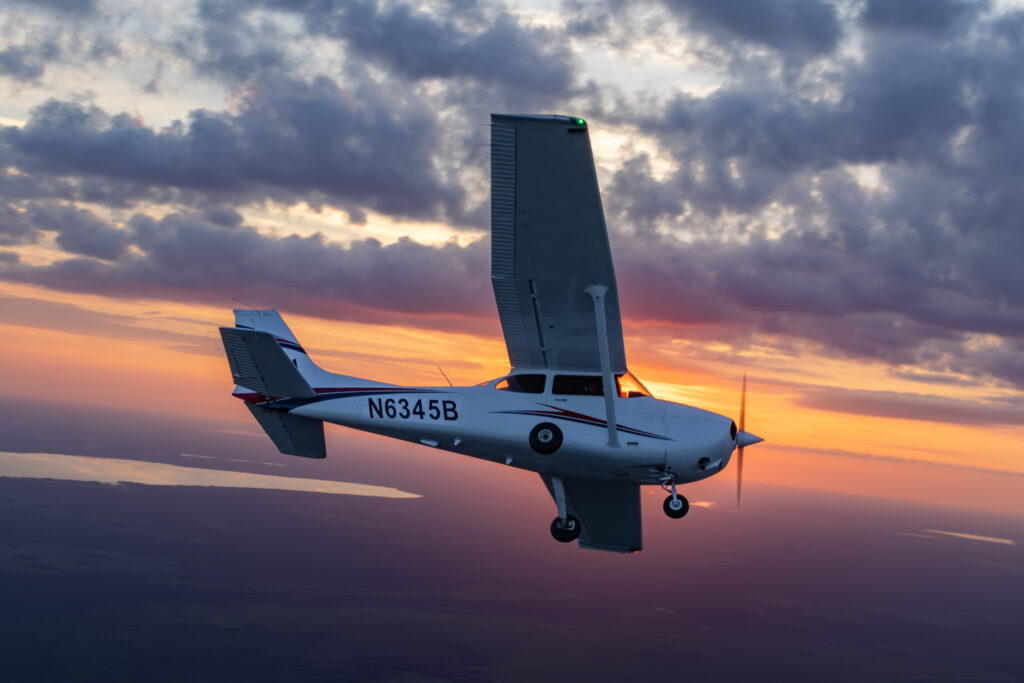
PEA’s modern training fleet includes more than 70 glass-cockpit aircraft, including the Cessna 172 and Piper Seneca. The Cessna 172 is a popular option for mastering the fundamentals, favored for its forgiving handling and overall stability. Meanwhile, the Piper Seneca supports multiengine flight training and provides exposure to more complex cockpit environments. PEA also performs maintenance in-house.
3. Who Will Teach You, and What Is the Instructor Turnover Rate?
Instructional expertise is central to the quality of the flight school experience. It is through instructors that student pilots apply ground school concepts while gaining situational awareness and cockpit discipline. Effective instructors also help student pilots develop confidence so they can make difficult decisions under pressure.
When inquiring about instructors, focus on their training and experience. Confirm that, at minimum, they hold a flight instructor certificate with the appropriate ratings. Ask how instructors are screened and how they are evaluated once hired.
Be mindful of instructor-to-student ratios for ground school and especially flight instruction, which is typically conducted one-on-one. Consider how long instructors have been with the flight school and how long they can be expected to remain. Some turnover is natural because many instructors are building flight hours, but constant churn can disrupt training and delay progress. Ask how the school maintains continuity and whether instructors follow a standardized syllabus.
4. What Is Your First-Time Checkride Pass Rate?
Tangible figures demonstrate whether training methods help students clear critical milestones. One of the most important metrics is the checkride pass rate. A checkride is the FAA practical test for a pilot certificate or rating. The school’s first-time pass rate can indicate whether students are consistently prepared for this exam, so ask for the current figure.
Low checkride pass rates could indicate gaps in training, limited aircraft availability, or inconsistent scheduling. Consider overall pass rates, but also look into instructor-specific pass rates and designations such as the Gold Seal Flight Instructor.
Flight schools regulated under Title 14 of the Code of Federal Regulations (14 CFR) part 141 follow FAA-approved curricula and are subject to FAA oversight. They must also meet applicable performance requirements to maintain certification. Ask how Part 141 affects training and syllabus design. PEA has self-examining authority for certain approved courses, while FAA-designated examiners administer many other checkrides on-site.
5. Realistically, How Much Will I Fly Each Month?
Flight school demands strong time management. Students need to satisfy strict flight-hour requirements while also completing ground coursework. Because primary training is conducted largely under visual flight rules, this becomes far more difficult when weather makes flight time unpredictable. Harsh winter conditions in northern climates can lead to days or weeks of lost or disrupted flight time.
Even the most pleasant climate can see stormy weather, and a limited fleet can impede scheduling even when the weather is perfect. Ideally, a flight school will maintain a sufficient fleet and establish contingencies to keep students on track. Ask about the typical number of flying days per month and the school’s plans for marginal weather. Daytona Beach’s climate supports consistent year-round flying, although weather-related schedule changes can still occur.
6. What Does the Total Cost Include, and What Is Your Refund Policy?
Flight school is an investment, and its total cost involves more than tuition. Upfront payments and the cost of living in the surrounding community also affect this personal equation. Ask for an all-in estimate that accounts for aircraft rental, flight and ground instruction, materials, examiner fees, and likely overages.
Keep in mind that, while you will ideally complete the entire program, circumstances can change. This is where refund policies come into play. Ask what happens if you leave or the school cannot deliver the promised training. Get the payment schedule, cancellation window, and refund terms in writing before paying.
As an ACCET-accredited institution, PEA publishes its refund and cancellation policies in its school catalog. The policy explains refunds based on training completed and addresses withdrawals, program cancellations, and denied visa applications. Review the current catalog and confirm the terms with PEA before enrolling.
7. How Long Has the School Been in Operation?
Longevity often signals dependability, suggesting that a flight school has weathered industry cycles, regulatory changes, and shifting hiring markets. Recent abrupt flight school closures have left some students without refunds for prepaid training and forced them to scramble to continue building hours. A long operating history can provide some reassurance, so ask how long the school has operated and about its overall track record.
PEA has trained pilots since 1972, giving the school a track record of more than 50 years. Founded by a retired airline captain who served as chairman of the U.S. Presidential Aviation Advisory Board, PEA is backed by accreditation and alumni success stories.
8. What Safety Programs Are in Place?
The safety habits students develop in flight school should stay with them after graduation. Formal safety structures support effective risk management among successful pilots. Learning about a school’s safety culture begins with examining its safety record, policies, and incident-reporting procedures.
PEA operates an Aviation Safety Action Program, a voluntary safety-reporting system also used in the airline industry. This formal structure reinforces the professional safety habits students will need after graduation.
9. What Support Exists Outside the Cockpit?
For most students, the journey to becoming a pilot involves relocation and a great deal of paperwork. The right environment provides access to appropriate airspace and a strong fleet, but adjusting to a new location can still take time. This is especially true for international students, who may need to secure F-1 or M-1 visas. One way to assess international readiness is to ask about the school’s experience with students from other countries. For example, PEA has supported students from more than 70 countries.
When evaluating flight schools, inquire about student services and determine how they address the realities of attending far from home. PEA helps students find living accommodations, schedule FAA medical certification appointments, and complete Transportation Security Administration background-check requirements.
10. What Happens After I Earn My Certificates?
Flight training equips you with critical skills and helps you build hours, but it takes additional support to find flying jobs after you earn your certificates. Ask whether the school offers pathway programs, recruiter visits, resume support, and an active alumni network. Look for a program that has developed solid partnerships with regional carriers and major airlines alike.
The United Airlines Aviate program offers a pathway toward the United flight deck, and PEA is a participating flight school. Carrier visits bring representatives and recruiters to PEA, while career placement resources help students make the most of these connections.
Flight School Red Flags to Watch For
As you explore potential flight schools, be mindful of concerns that suggest a lack of transparency or support. None of these flight school red flags is automatically disqualifying, but each warrants a direct follow-up:
- Large nonrefundable upfront payments or charges for unflown time. Consider how much you’re expected to pay upfront and whether those payments are refundable. Review the policy for prorated refunds and charges tied to training that has not occurred.
- Sign-now pressure. Schools that push you to commit before you have time to research may be more concerned about enrollment than your individual experience. Reputable programs encourage you to ask difficult questions and give you time to review the terms.
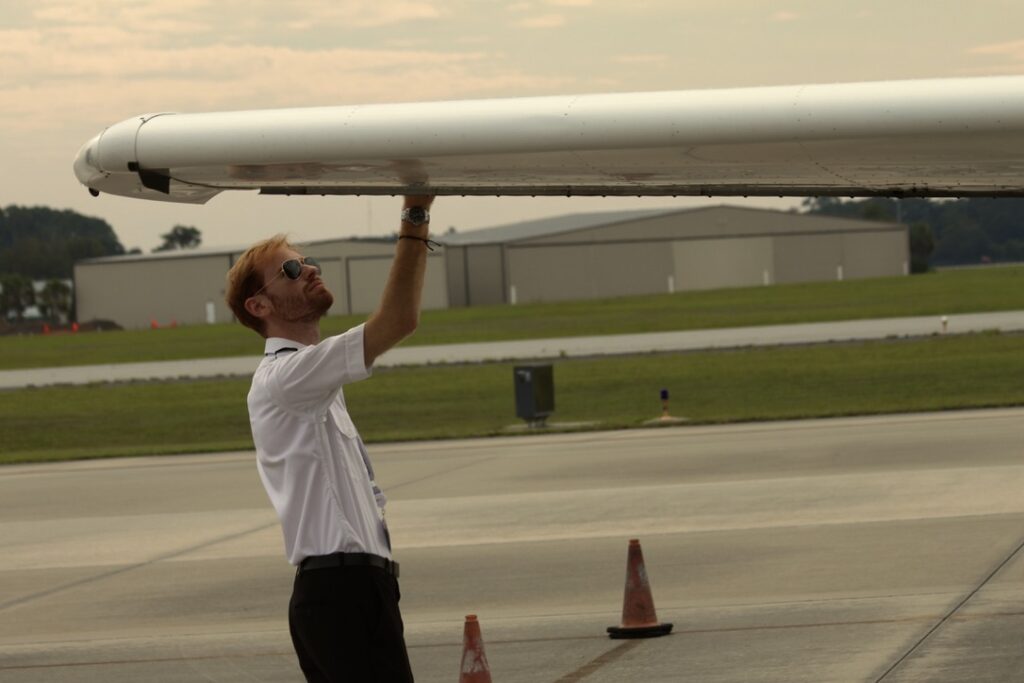
- Frequently grounded aircraft. Undersized fleets and recurring maintenance problems can limit flight time. Ask the Director of Maintenance or another appropriate staff member how the fleet is maintained. If possible, tour the hangar to see the aircraft in person.
- High instructor turnover or evasive answers. Frequent instructor changes can disrupt continuity and trust. Ask how long instructors typically remain at the school, and follow up with current students or alumni. Be cautious if representatives avoid specific questions about costs, schedules, pass rates, safety, or refunds.
Ask the Right Questions Before Choosing a Flight School
Strong flight schools welcome difficult questions. When deciding what makes a good flight school, weigh accreditation, fleet access, instruction, cost, safety, student support, and career resources together rather than relying on one factor.
Phoenix East Aviation has trained pilots since 1972 and offers accredited programs, a modern fleet, structured safety practices, and student support. Get in touch to request more information or learn more about choosing a flight school and PEA’s Professional Programs.
Sources
https://www.faa.gov/licenses_certificates/airline_certification/pilotschools