Flight Instructor Salary: How Much Do CFIs Make and How to Maximize Your Earnings
For many aspiring professional pilots, becoming a Certified Flight Instructor (CFI) is an important career milestone. Not only can the process help pilots build valuable flight hours, but these positions also tend to bring competitive pay.
So, how much does a flight instructor make? There are many factors that come into play here, ranging from experience and location to employer. With a better understanding of how flight instructor earnings in aviation work, you can determine whether this career path may be right for you.
What Does a Flight Instructor Earn? CFI Pay by the Numbers
While many roles in aviation are paid an annual salary, most CFIs are paid based on their billable instruction hours. Pay per instruction hour can differ based on the employer and whether the CFI is providing ground instruction, simulator instruction, or real-time flight instruction.
In general, entry-level CFIs can expect to earn anywhere from $25 to $40 per hour — totaling about $35,000 to $55,000 annually. With additional experience and certifications like Certified Flight Instructor Instrument (CFII) and Multi-Engine Instructor (MEI), the earnings potential is even higher. For example, it’s not uncommon for CFII salary and MEI pay to range between $40 and $70 (or more) per hour, equating to an annual pay of $55,000 to $85,000.
Aspiring flight instructors should also consider the impact that the local flying climate may have on their ability to provide training (and thus earn a living). In regions where inclement weather frequently grounds training flights, instructors may have a hard time accumulating billable hours. In more favorable climates for flying, such as Daytona Beach, CFIs can enjoy more than 360 flyable days per year, which could help maximize earning potential.
What Factors Affect Flight Instructor Earnings?
Many factors can impact how much a flight instructor earns, including:
- Student load and scheduling – Because most CFIs are paid by the hour, instructors who stay busy typically earn more than those who don’t. With back-to-back training sessions, CFIs can reduce downtime and make the most of their billable hours.
- Location and flying climate – As mentioned above, the location of the flight school can impact earnings. When the local flying climate is favorable, instructors (and students) encounter less downtime and fewer lessons canceled due to bad weather. This can help CFIs boost their earnings while accumulating more experience.
- School size and student demand – Large Part 141 flight schools with strong enrollment numbers tend to offer more consistent work opportunities for flight instructors than smaller schools, which could lead to higher earnings.
- Ground instruction and simulator time – In addition to cockpit training, many CFIs offer instruction through ground lessons, simulator sessions, and pre/post-flight debriefings. Some schools pay instructors a different hourly wage for these various types of instruction, so it’s important for CFIs to be aware of this before accepting a position.
- Leadership opportunities – As instructors gain experience, they may also become eligible for more advanced roles like Chief Flight Instructor or Assistant Flight Chief. These leadership roles typically come with higher pay as well.
CFI Pay as an Hour-Building Strategy
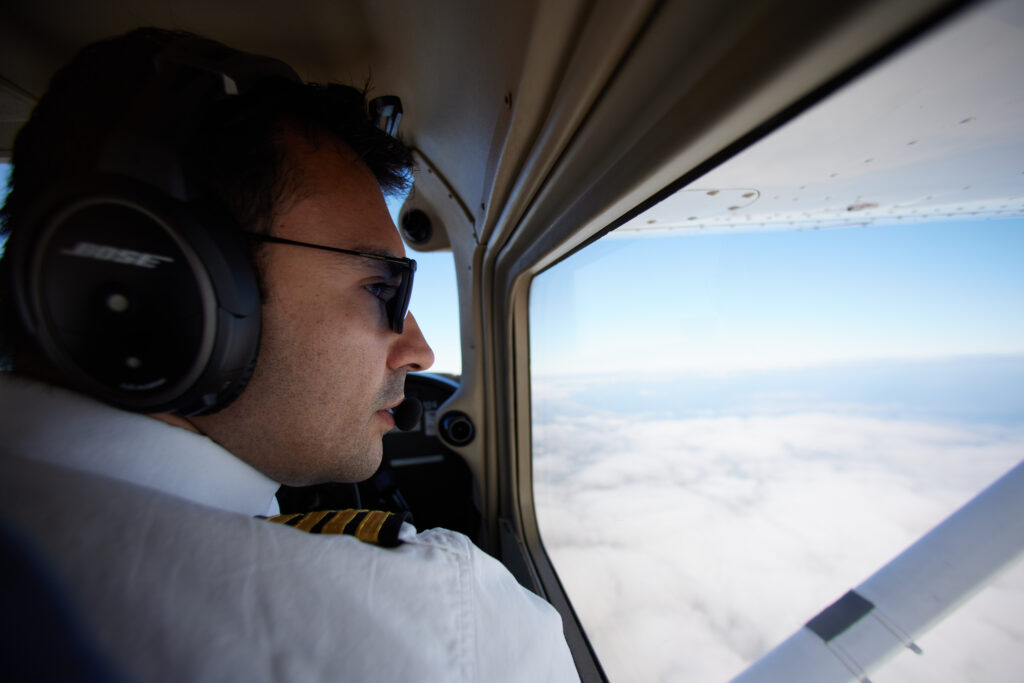
If you’re a pilot (or aspiring pilot) pursuing a career with an airline, you already know that you’ll likely need to complete hundreds of additional flight hours beyond your initial training. Sure, you could rent an aircraft to the tune of $150 (or more) per hour and build up your flight hours that way, but for many, taking a flight instructor position is a much more practical and economical pathway. Working as a flight instructor gives you the opportunity to actually earn an income while accumulating the pilot-in-command flight time that is required by many regional and major airlines.
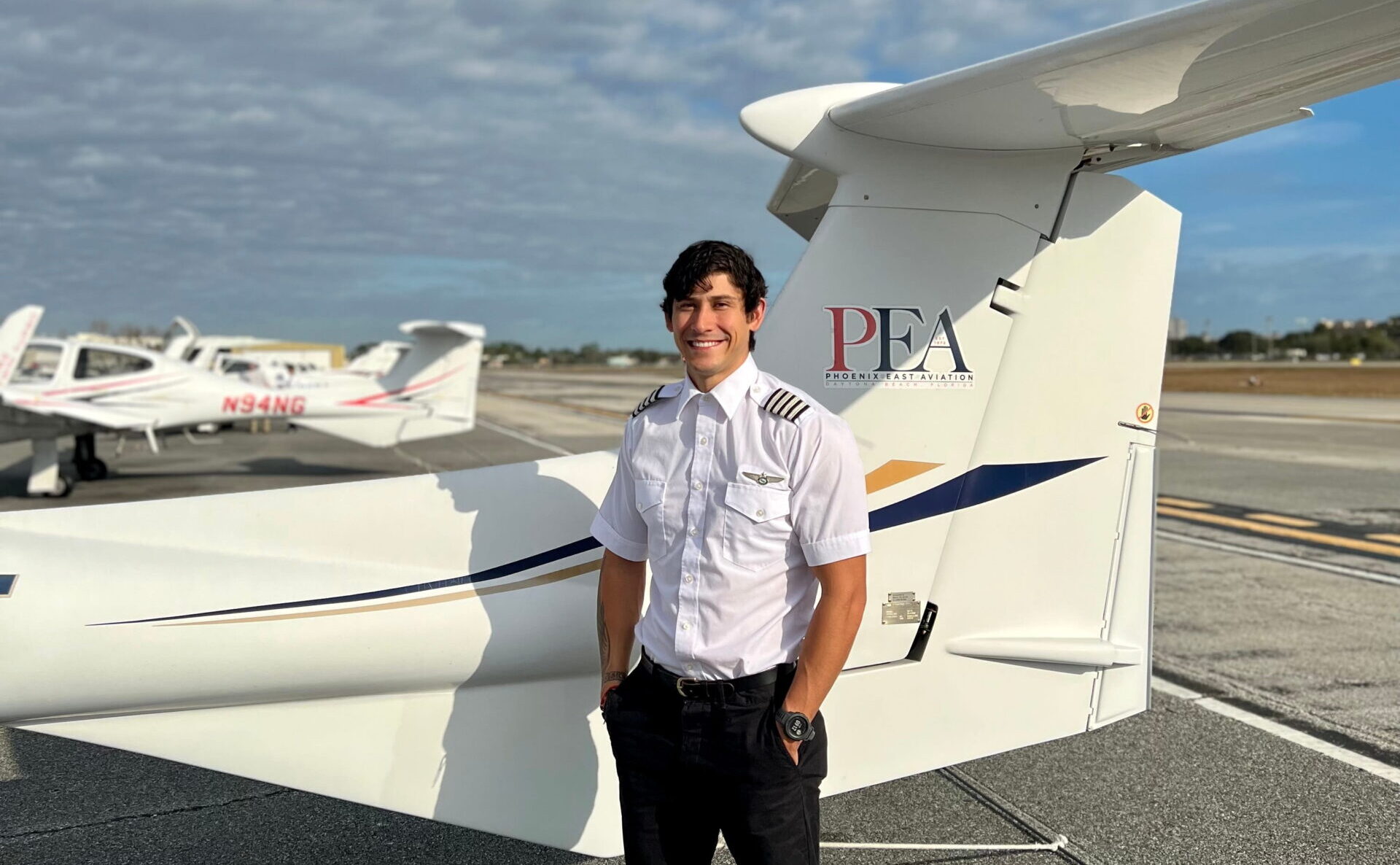
At Phoenix East Aviation (PEA), our instructors often accumulate 80 or more flight hours per month, making progress toward airline hiring minimums while developing valuable leadership skills. And thanks to the favorable local climate, instructors at PEA can benefit from a year-round training environment without an off-season.
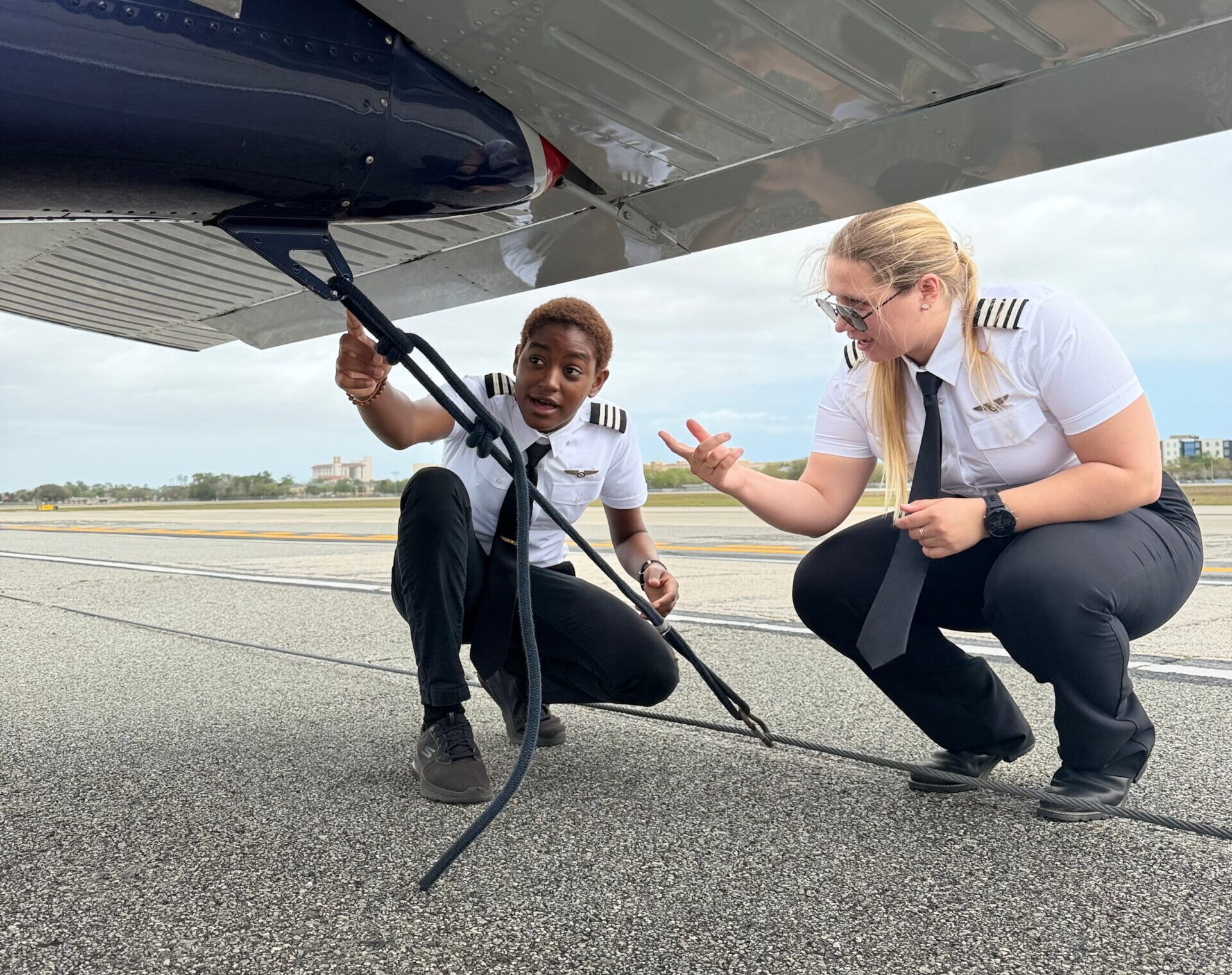
As a flight instructor, you’ll also enjoy opportunities to deepen your aeronautical knowledge as you reinforce key concepts such as emergency procedures, flight maneuvers, and decision-making skills. At the same time, you’ll be helping aspiring pilots build the knowledge and skills they need to stay safe in the cockpit and fly with confidence.
How to Maximize Your Earnings as a Flight Instructor
If you’re interested in becoming a flight instructor, there are a few things you can do to maximize your earning potential and pursue long-term career opportunities:
- Stack your ratings early – While you’ll need at least a CFI certificate to work as a flight instructor, your earning potential can increase if you stack additional ratings/designations on top of that. Consider, for example, pursuing your CFII or MEI certification as a means of increasing your hourly pay and broadening your student base. At PEA, we offer structured pathways toward all three instructor certifications (CFI, CFII, and MEI) to suit your needs.
- Choose the right flight school – Rather than looking at hourly pay alone, prospective flight instructors should look closely at a flight school’s year-round flying opportunities, student demand/enrollment, and training fleets to maximize their earning opportunities. PEA takes pride in being a high-volume Part 141 school with airline partnerships and consistent student pipelines, all of which can lead to greater availability of work for instructors.
- Pursue leadership opportunities – Experienced instructors with proven pass rates and professionalism may be better suited to advance into leadership and supervisory roles, which typically come with higher compensation. As you gain experience as a flight instructor, keep an eye out for advancement opportunities that could help you build new skill sets while increasing your pay.
Explore Professional Programs at PEA
Becoming a Certified Flight Instructor is one of the most efficient and financially savvy ways to build pilot-in-command time while developing valuable leadership and communication skills. Rather than paying out of your own pocket to rent an aircraft and accumulate flight hours, this pathway pays you to build career-ready teaching skills and strengthen your aeronautical knowledge.
At Phoenix East Aviation, we’ve been training professional pilots since 1972. We know what it takes to launch successful careers in flight. Plus, with professional programs that incorporate CFI, CFII, and MEI training, graduates can qualify for instructional opportunities sooner rather than later. Combine all of this with our favorable local flying conditions at Daytona Beach International Airport, and it’s easy to see why so many aspiring pilots trust PEA to help their careers take flight.
No matter where you’re at in your journey to becoming a professional pilot, PEA is here to help with career-focused programs, established airline partnerships, and a modern training fleet. Explore our professional programs, get in touch with any questions, and get the ball rolling by filling out your application for enrollment today. We can’t wait to see where your career in aviation will take you, and we’re here every step of the way.
Sources
https://pea.com/career-pathways/
https://pea.com/courses/professional-programs/
https://pea.com/about-us/part-141-vs-part-61/
https://pea.com/about-us/choosing-a-flight-school/
https://www.linkedin.com/pulse/why-daytona-beach-one-best-places-world-flight-training-ecwke
https://www.bls.gov/ooh/transportation-and-material-moving/airline-and-commercial-pilots.htm
https://www.payscale.com/research/US/Certification=Certified_Flight_Instructor_(CFI)/Salary
https://www.glassdoor.com/Salaries/flight-instructor-salary-SRCH_KO0,17.htm