Is Being a Pilot Dangerous?
It’s a common question amongst individuals interested in going to flight school or pursuing a career as a pilot. And the answer might be surprising.
Like any profession, flying an airplane carries an element of risk. However, the aviation industry is one of the most regulated and safety-conscious industries. The combination of extensive training, technological advances in aviation, and strict FAA oversight and regulations makes becoming a pilot a far safer career than some people assume.
Flight Safety Statistics
If you are not yet convinced of the safety of flying, statistics help tell a compelling story:
- When comparing driving to flying, there were approximately 99.86% less fatalities between 2003 and 2023 from air travel versus car travel on a highway.
- Before flying a plane, commercial pilots are required to have 1,500 hours of flying experience.
- Major airways for plane travel are monitored 24/7 for weather conditions
- Over 90% of student pilot solo flying mishaps resulted in no or minor injuries from 1994-2013.
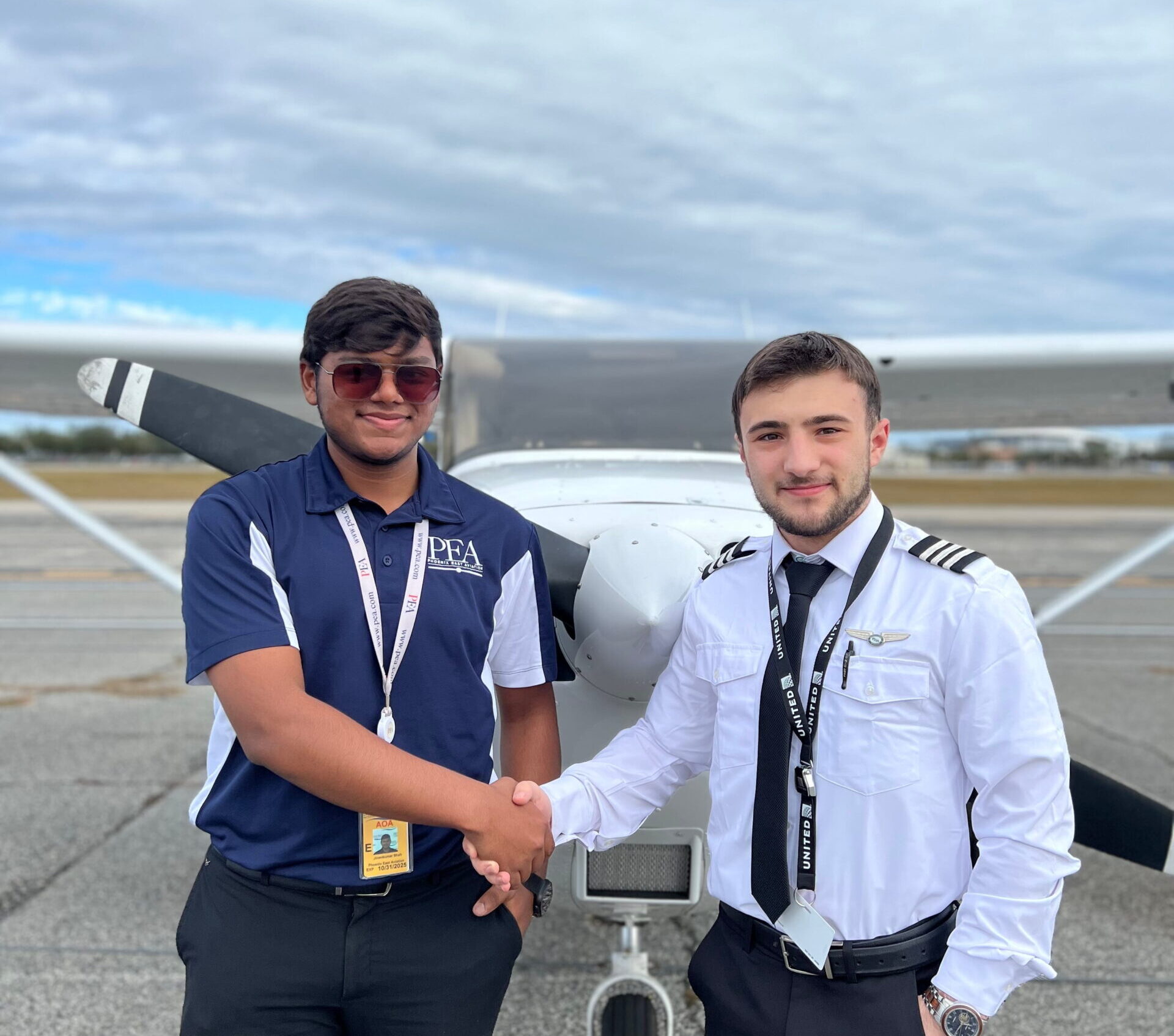
At Phoenix East Aviation, safety is a primary focus of every stage of the flight training curriculum. Students learn to evaluate weather conditions, assess personal limitations, perform thorough pre-flight inspections, and communicate effectively with air traffic control – all practical tools that ensure the safety of both pilot and passengers, applied through real-world training.
Aircraft Safety
Both the FAA and individual airlines have regulations and safety protocols tailored to their aircraft fleet. The airline standards often exceed federal minimums and cover everything from approach procedures and weather minimums to crew rest requirements and checklist discipline.
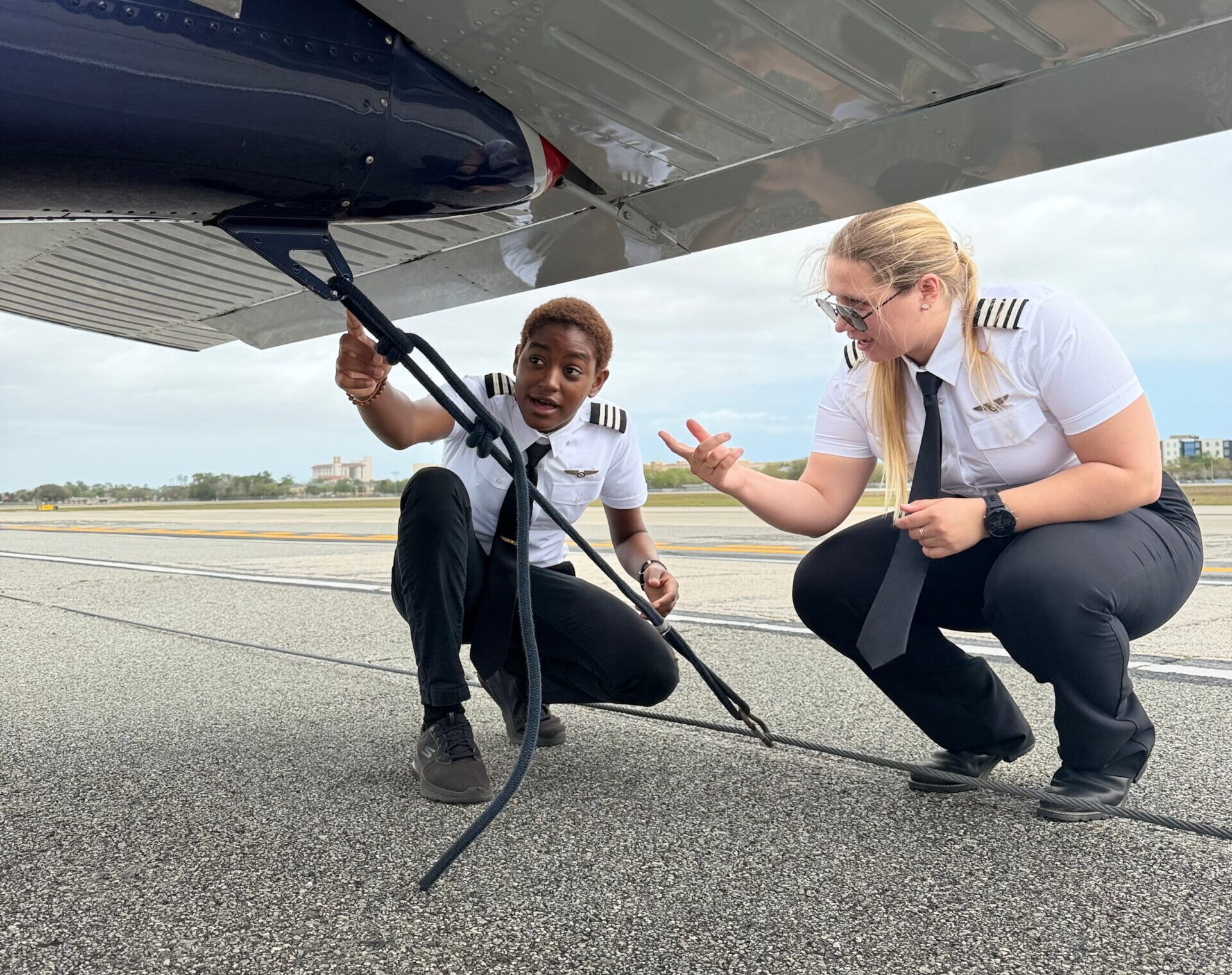
Through extensive training, pilots become well-versed in understanding the aircraft they operate. This also ensures aircraft safety through pre-flight checks of everything from fuel to the flight deck controls. During flight, pilots are trained on how to respond to any unexpected situations that may happen and how to safely descend to the ground. The preflight inspections also help identify and mitigate risks before they become incidents.
Emergency Procedures
One of the most important aspects of pilot training is preparing for emergencies. Flight training programs dedicate a significant amount of training to addressing emergency procedures. Student pilots learn procedures from their very first lessons and build onto them throughout training.
Student pilots practice engine-out scenarios, emergency landings, electrical failures, and loss of communication procedures. The goal isn’t to frighten any new pilots but to instill and build confidence and muscle memory so that, if something unexpected does happen, the response is instinctive and controlled. Simulator training takes this even further and exposes students to scenarios that would be impossible or unsafe to replicate in an actual aircraft during training.
FAA Safety Regulations
The FAA sets a regulatory framework that governs every aspect of aviation in the United States. Flight schools adhere to FAA requirements when training student pilots. Those who train through Part 141 follow a full FAA-structured curriculum, and students in a Part 61 program learn through a FAA-approved syllabus. Training covers all regulations and requirements that the FAA expects pilots to follow throughout their career.
Flight School Safety Preparation
Flight school is where a student pilot first trains with a safety-first mindset. Beyond emergency procedures, students learn aeronautical decision-making (ADM), crew resource management (CRM), and risk assessment frameworks that guide every flight.
Airline Safety Protocols
Airlines may have their own safety protocols or safety procedure training for pilots to follow. Safety management systems help airlines continuously analyze operational data to identify and reduce risks before they could become problematic situations in the air.
The safety protocols that airlines have align with FAA regulations. Oftentimes, they go a step further to ensure the comfort and safety of all crew and passengers. Airlines are also responsible for regular maintenance and inspections of their aircraft fleet beyond the inspections and reporting pilots conduct during their job.
Safely Train with PEA
Safety is the foundation of the aviation industry. From the first lesson in flight school, Phoenix East Aviation helps instill a safety-first mindset that carries with students throughout training. Safety training in flight school is supported by federal regulations through the FAA, cutting edge aircraft technology, and airline protocols all working together to keep everyone safe.