Pilot Trade School: Is Flying a Trade or a Profession?
Becoming a pilot is a highly skilled profession to choose as a career path. But, unlike other highly skilled professions, like becoming a doctor or a lawyer, not every pilot needs to attend college before they can begin their career. In fact, there is no requirement that pilots need to have a college degree.
If you are considering a lucrative alternative to college, becoming a pilot is another option to consider alongside trades, where high skill levels in a specific field are valued on the job over college degrees. Though, when becoming a pilot, you can also choose to get both a college degree and pilot’s license at the same time.
Trade vs. Profession
A profession typically involves receiving advanced education beyond grade school. In addition, compared to trades, most professions are paid salaries as opposed to hourly wages for their work. In addition, professions focus on knowledge-based work, though one can argue that trades are similar in that aspect.
Trades do not require attending a higher education institution before beginning work. It requires very hands-on work, such as carpentry or electrical work.
There are some professions that use hands-on work, like surgeons and pilots. But, they also require critical thinking, deeper knowledge of their industry, and intensive training before they can begin their career.
Is Flying a Trade or a Profession?
Flying an aircraft as a job is typically considered a profession. Before becoming a pilot, all pilots are required to obtain licenses and ratings. Someone cannot begin a career as an airline pilot straight out of high school without attending a professional flight training program. There are many different programs that a student can take, such as a Part 141 program or the more flexible Part 61 program.
In addition, becoming a pilot requires extensive experience before beginning to work for an airline. Whether the pilot is flying domestically or internationally, they must build flight hours during their training before they can obtain the final license: an airline transport pilot license (ATP). The ATP license allows pilots the opportunity to work for an airline, carrying passengers during a flight.
How Pilot Training Resembles a Skilled Trade
Despite being considered a profession, pilot training also requires a high level of skill both on the ground and in the skies.
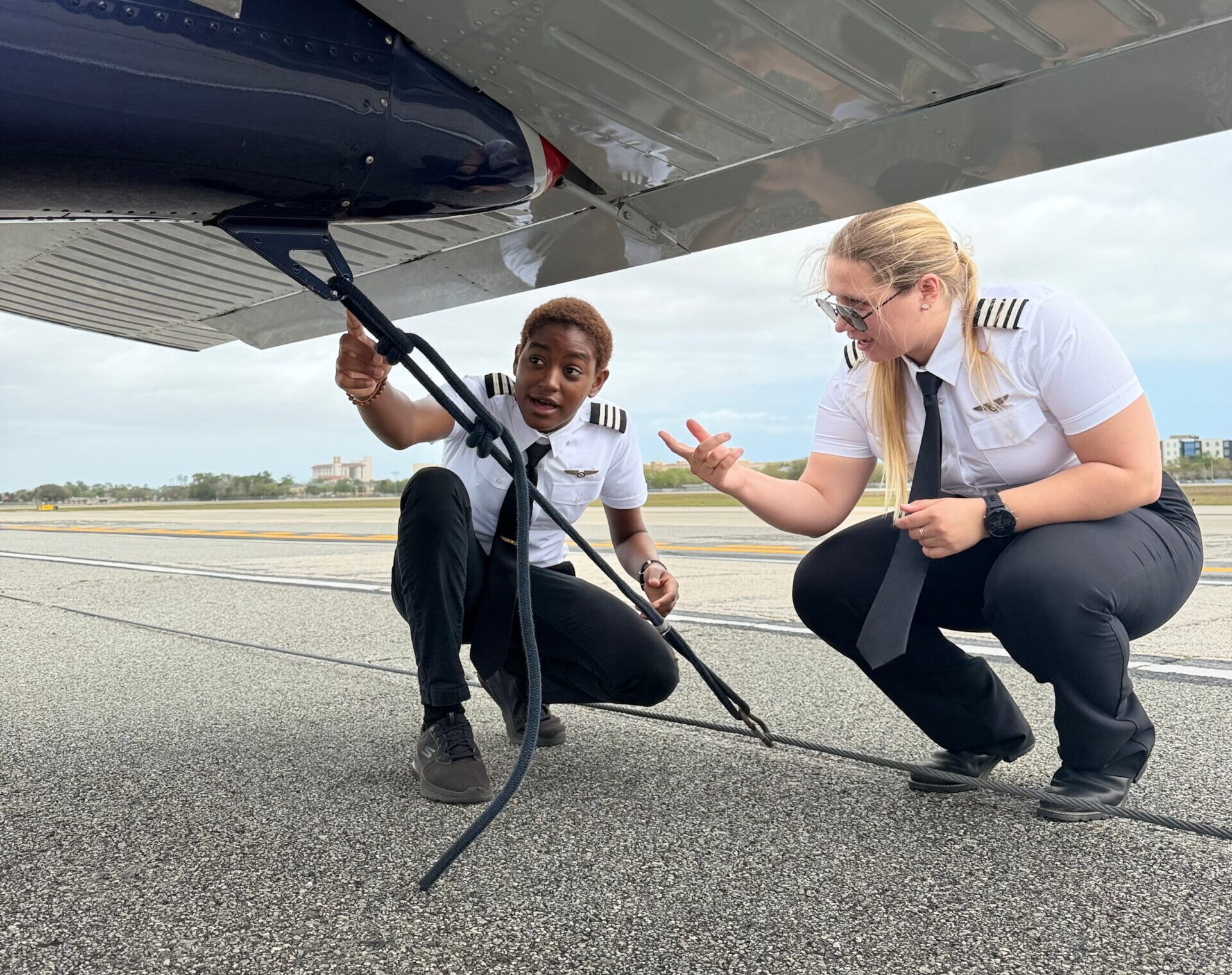
On the ground, pilots are trained to understand each aircraft they operate, including how to manage fuel levels and conduct inspections on all aspects of the aircraft including electrical and engines.
When flying an aircraft, pilots are trained in handling an aircraft in different weather conditions, using trained skills and maneuvers, and mastering different types of ascents and descents.
All the hands-on skills a pilot needs on the job resemble trade careers. In example, an electrician needs to train through an apprenticeship before they can begin work as an electrician. It is another job that requires high skills and a strong understanding of their industry.
How Becoming a Pilot Is a Profession
Despite not requiring a college degree, becoming a pilot requires extensive training. This training isn’t just hands-on training. It also requires ground school. Before student pilots can take to the skies for the first time, they are required to pass an FAA written exam. In addition to the time spent in the flight deck with a certified flight instructor, student pilots also spend a lot of time on the ground in a classroom, learning aviation basics that are essential to ensure the safety of everyone in and around their aircraft when in flight.
Pilot Trade School vs. College Aviation Degrees
If you are interested in becoming a pilot, there are two main paths: earning a college degree alongside flight training, or focusing exclusively on flight training. Many students who opt to obtain a college degree in addition to flight training do so because they want to apply for a highly competitive job or airline. For those who opt to skip college and go straight into flight training, they are often able to begin their career faster than those who attend college.
There is no right or wrong path that a student can take to become a pilot, just options that are available for each different student who has dreams of a career in aviation.