How Long Does it Take to Become An Airline Pilot
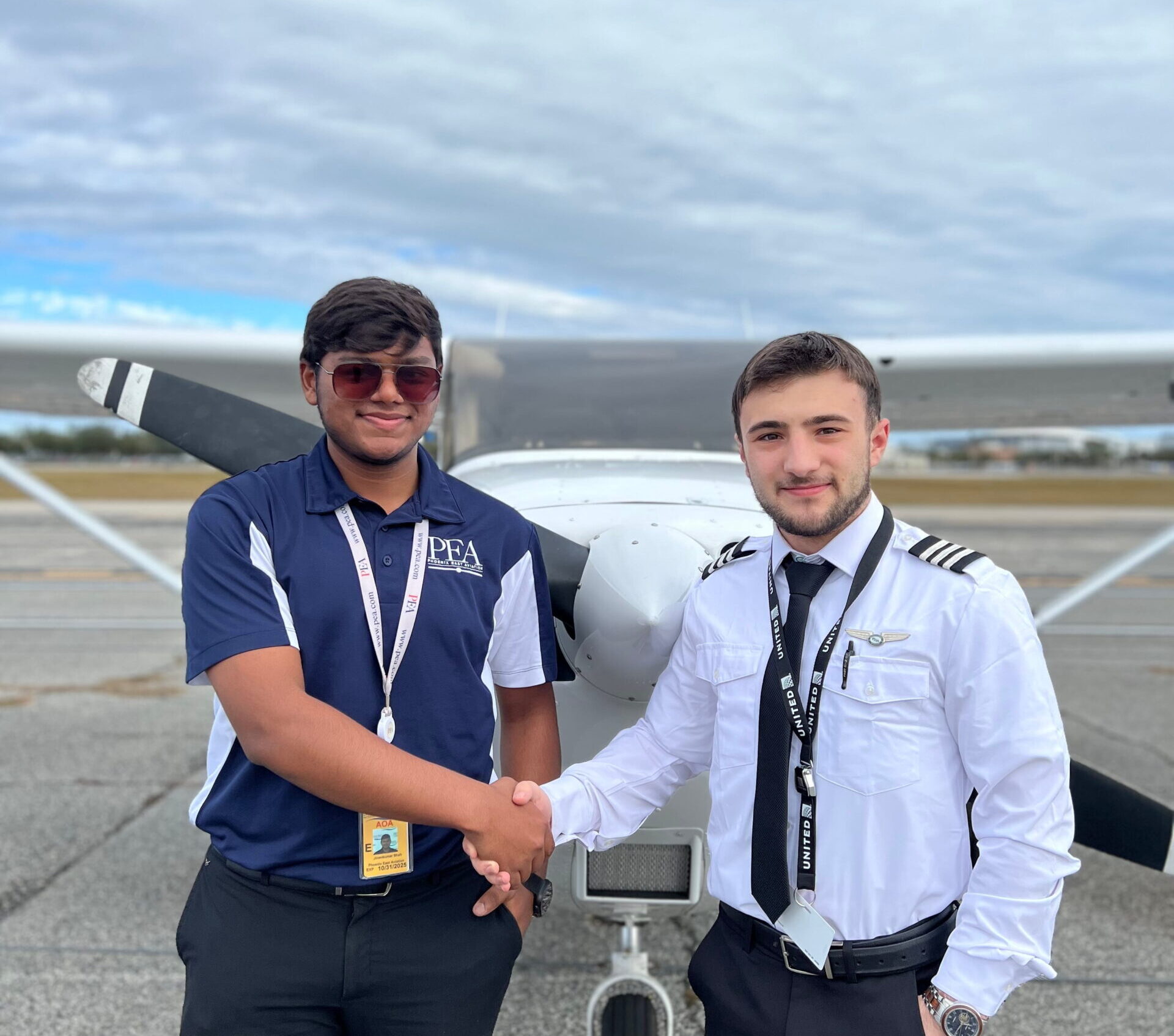
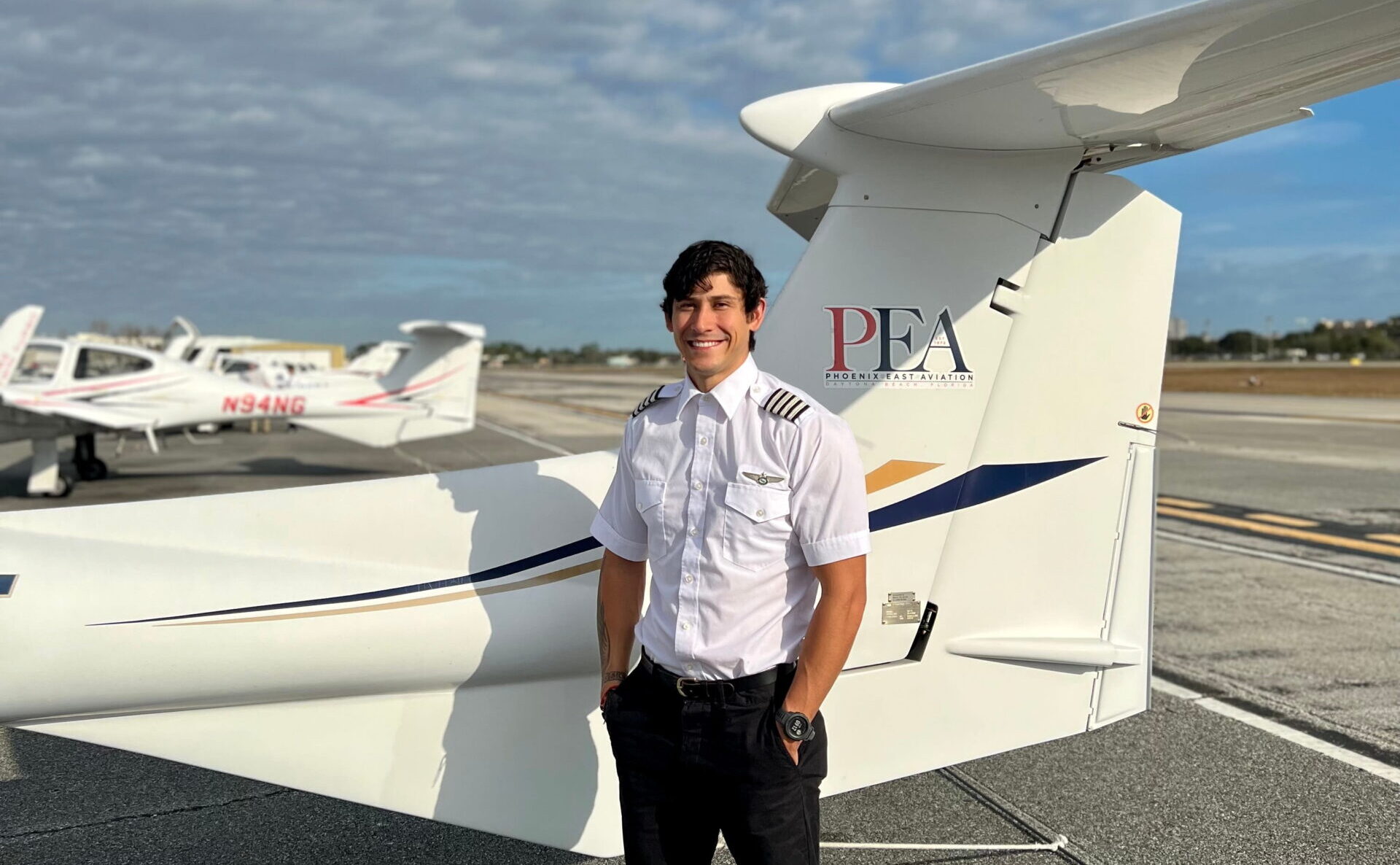
Every airline pilot starts somewhere, often with their very first flight. At Phoenix East Aviation, students are introduced to aviation fundamentals through FAA-approved instruction. Earning a Private Pilot License (PPL) typically takes 2-4 months. From there, student pilots progress to their Instrument Rating and Commercial Pilot License (CPL), a process that can take another 6-8 months. PEA’s professional programs ensure students stay on track, making the journey from first flight to commercial pilot more efficient.
Building Flight Hours: The Role of CFIs
After obtaining a CPL, pilots face the crucial step of meeting Airline Transport Pilot (ATP) requirements, including accumulating 1,500 flight hours. One of the most strategic ways to do this is by becoming a Certified Flight Instructor (CFI). 
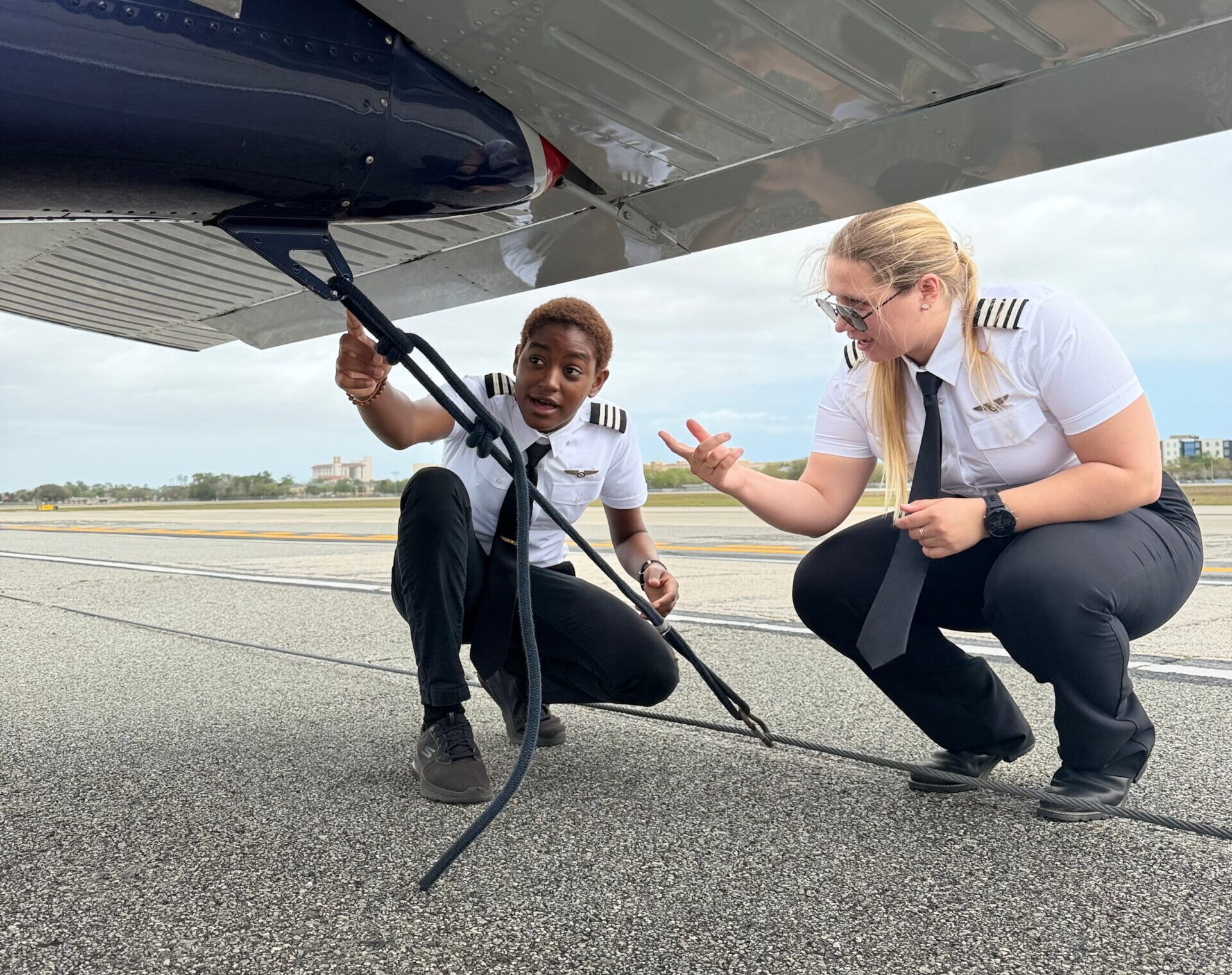
As a flight instructor, pilots earn while gaining valuable flight experience, making it a financially smart and efficient step toward meeting the airline transport pilot 1,500 flight hour requirement. Upon completion of their training, PEA students have the opportunity to apply for CFI positions, and if selected through the standard hiring process, they have the unique opportunity to instruct student pilots at the same school where they completed their training.
For official FAA guidance on Airline Transport Pilot training and an overview, visit the Federal Aviation Administration.
Achieving the Airline Transport Pilot Certificate
The Airline Transport Pilot certificate is the highest level of pilot certification, required to become a Captain or First Officer in Part 121 or Part 135 airline operations. Pilots can pursue either the standard Airline Transport Pilot License (ATP), which requires 1,500 flight hours and a minimum age of 23, or the Restricted Airline Transport Pilot License (R-ATP). The Restricted Airline Transport Pilot License allows certain individuals, such as military pilots or graduates of FAA-approved aviation programs, to serve as First Officers with fewer hours:
- Military pilots: 750 hours
- Graduates of four-year aviation universities: 1,000 hours
- Graduates of two-year aviation colleges: 1,250 hours
Only pilots who graduate from an FAA-approved university aviation program and complete training under a Part 141 school are eligible for the R-ATP.
Part 141 vs. Part 61: Choosing the Right Training Path
When considering flight training, one important decision is whether to pursue a Part 141 or Part 61 flight training program, and both options can successfully lead to an airline career.
Part 141 programs are designed for students seeking a structured, efficient path to professional aviation. They operate under a carefully crafted FAA-approved curriculum, providing:
- Structured Success: A well-organized training program ensures students receive comprehensive instruction that meets the highest industry standards.
- FAA Seal of Approval: Regular FAA evaluations confirm that training consistently adheres to rigorous regulatory requirements.
- Preferred by Future Employers: Many airlines value Part 141 training for its standardized and thorough approach, which can enhance a pilot’s career prospects.
While Part 141 programs provide structure and efficiency, Part 61 training offers flexibility for students who need to balance flight training with work, school, or other commitments. Advantages of Part 61 include:
- Flexible Scheduling: Students can plan flights around personal schedules, making it ideal for those with other responsibilities.
- Tailored Learning: The program adapts to each student’s pace, accommodating a wide range of learning styles and time availability.
- Career Opportunities: Both Part 141 and Part 61 graduates are eligible for airline employment, though Part 141 training is often viewed favorably by some employers due to its standardized curriculum.
Students at PEA receive guidance in choosing the path that best suits their goals, schedule, and career aspirations. Whether selecting Part 141 for a structured, accelerated timeline or Part 61 for flexibility, students are set up for success and prepared for a professional aviation career.
From Phoenix East Aviation to Airline Career
After completing airline transport pilot training and building the necessary flight hours, pilots are ready to enter the airline industry. Many begin with regional carriers before advancing to major airlines. Phoenix East Aviation’s career pathways provide structured guidance for students transitioning from training to professional aviation careers, combining Part 141 instruction, CFI experience, and airline transport pilot preparation to efficiently reach airline hiring requirements.
Preparing Pilots for Success
PEA prepares students for a successful career in aviation, producing airline-ready pilots through their professional programs, flight hour-building opportunities, career guidance, and comprehensive airline transport pilot preparation. This combination of structured milestones and hands-on experience ensure students progress confidently toward becoming an airline pilot. For official FAA guidance on ATP and pilot training standards, visit the Airline Transport Pilot (ATP) Certification Training Program (CTP)
Your Path to the Airline Flight Deck
Becoming an airline pilot is a journey that combines flight training, flight hours, and strategic career choice. From the beginning with a Private PilotL License to achieving the Airline Transport Pilot certificate, each step requires dedication, guidance, and the right opportunities.
PEA provides students with FAA-approved programs, instruction, and a clear path from flight training to airline careers. Whether choosing between Part 141 or Part 61, building experience as a Certified Flight Instructor, or preparing for ATP certification, students are equipped to meet the demands of the industry and reach their goals efficiently.
Phoenix East Aviation has been successfully training pilots since 1972, and you can begin your journey to becoming an airline pilot, today! Contact info2@pea.com to get in touch with their admission department, and for more information.